woman scientist

in the field

Page 9 of 9

So, who does want to be a scientist?

9780511754999i

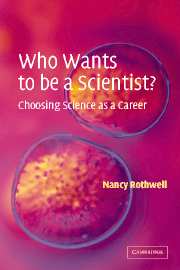
Directly taken from Chapter 14  in Who Wants to be a Scientist?

For other opinions see these links to articles about “Marine Dreams” and “soyouwannabeacomputationalbiologist

Among scientists are collectors, classifiers and compulsive tidy uppers, many are detectives by temperament and many are explorers; some are artists and others are artisans. There are poet scientists and philosopher scientists and even a few mystics. 

Maybe it is hard to decide if you want to be a scientist because there are so many aspects to science, and scientists do so many different things. As Medawar noted (above) scientists come in every shape and form. The stereotypical scientist — the ‘man’ of logic, careful judgement and assessment who has a logical view of the world, sets up hypotheses and then test them — is far from reality. Successful science demands imagination, and insight, sensitivity and common sense, as well as a passion for discovery.

A training in science provides on of the best groundings for almost any carer — providing not only practical and intellectual skills, but also training in ways to think and act. Not everyone who believes they want to enter a carer in science will follow this path, but hopefully they will benefit from the experience. Those who do stay in science may end up doing many different things. Only a few will become rich, less will become famous, but most, hopefully, will enjoy their work and consider theme selves fortunate to have such enjoyable employment.

-Nancy Rothwell

Share this:

Facebooktwitterby feather

Wandering Strategically

I’ve always told myself that I like science, and some day I would like to go to graduate school, but I do not want to go just because it is my default choice as a scientist.  For the time being, I have chosen to be a worker bee and I continue yearning to try out all of the things.

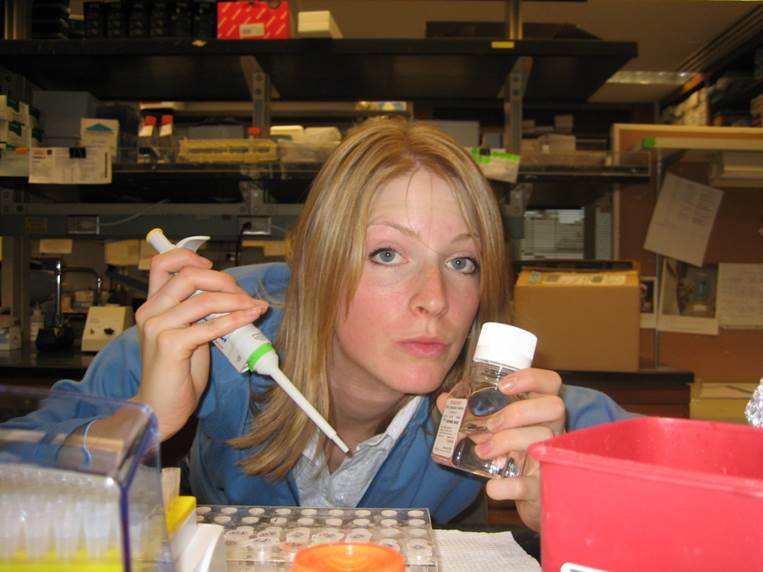
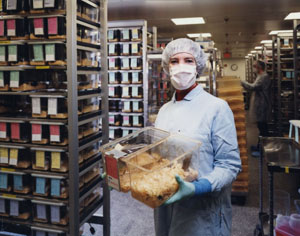
I’ve worked in an immunology lab taking care of a mouse colony, learning molecular bench techniques.

Picture2Mendels029

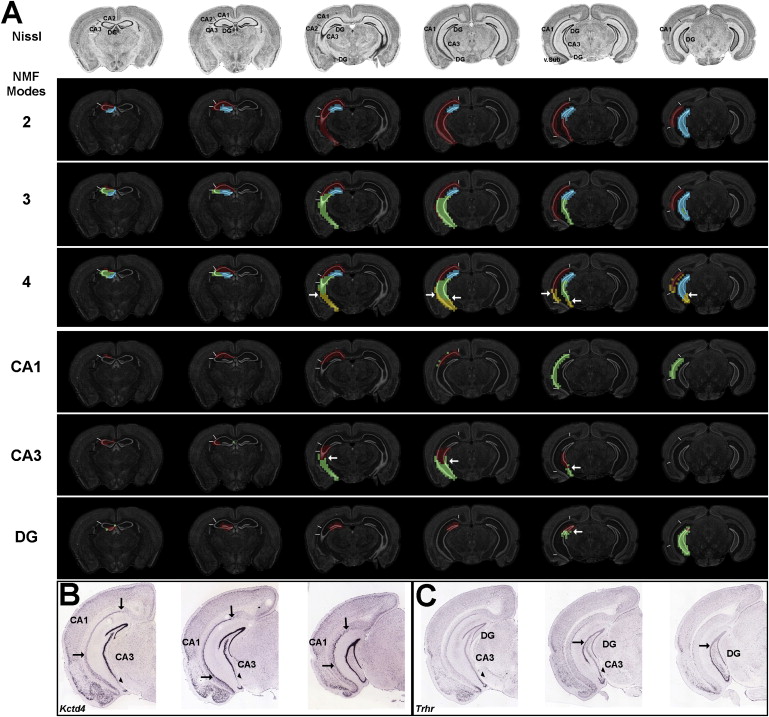
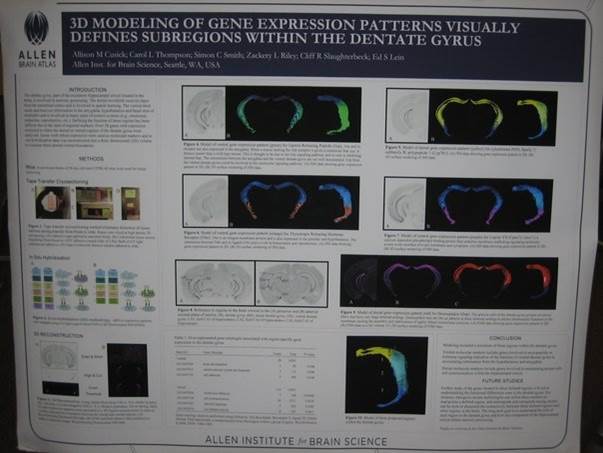
I’ve built 3D models of the mouse brain showing genetic expression patterns in the hippocampus region.

gr1Picture3

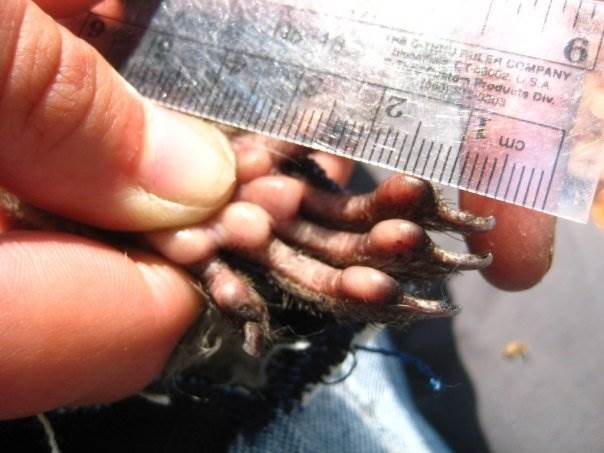
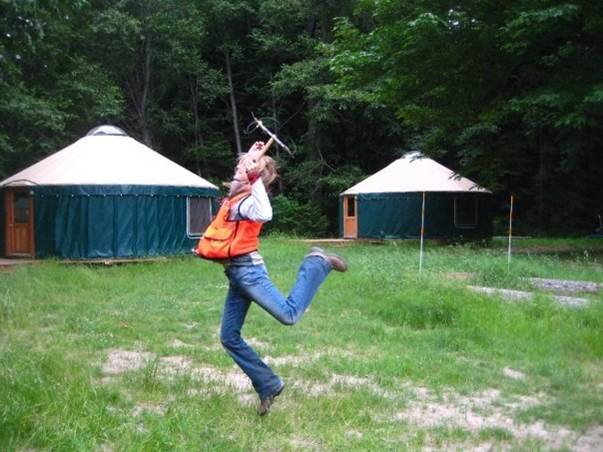
Ive spent a couple of years as a field biologist conducting research on squirrel populations in relation to forest land management practices.

Picture6 Picture5

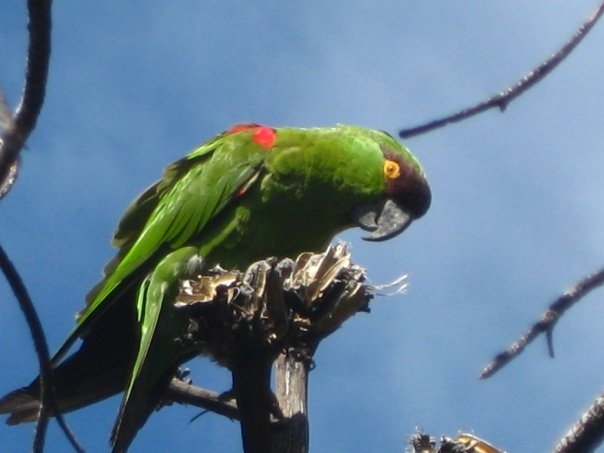
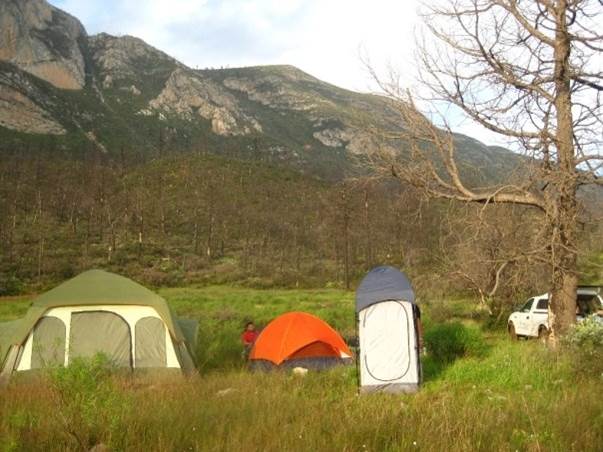
I’ve looked at breeding behavior of parrots in Mexico.

mexicooo Picture8

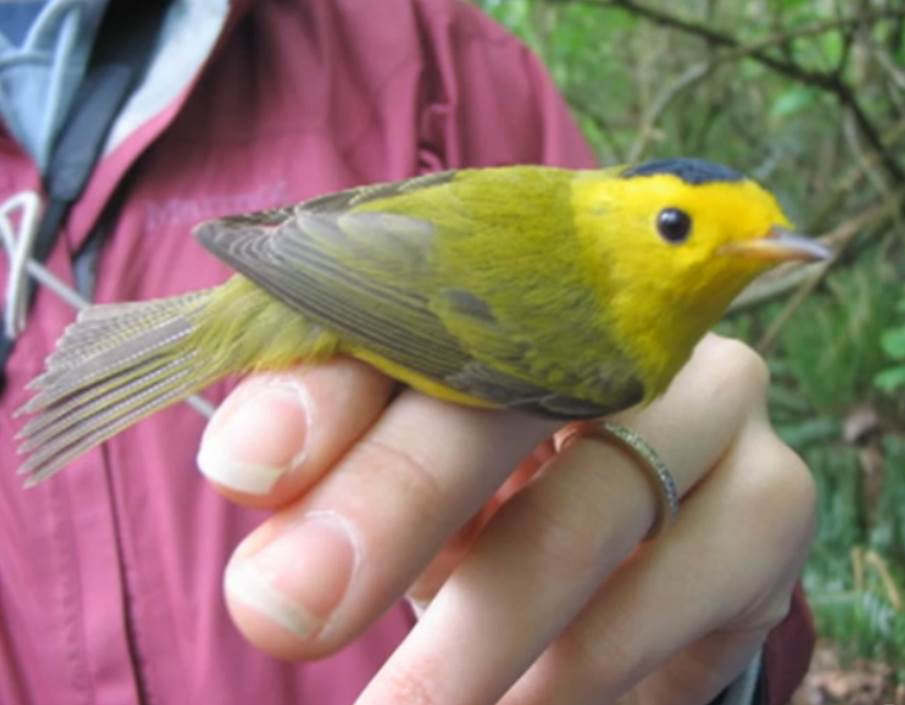
I’ve studied how urbanization affects songbird populations.

Picture12

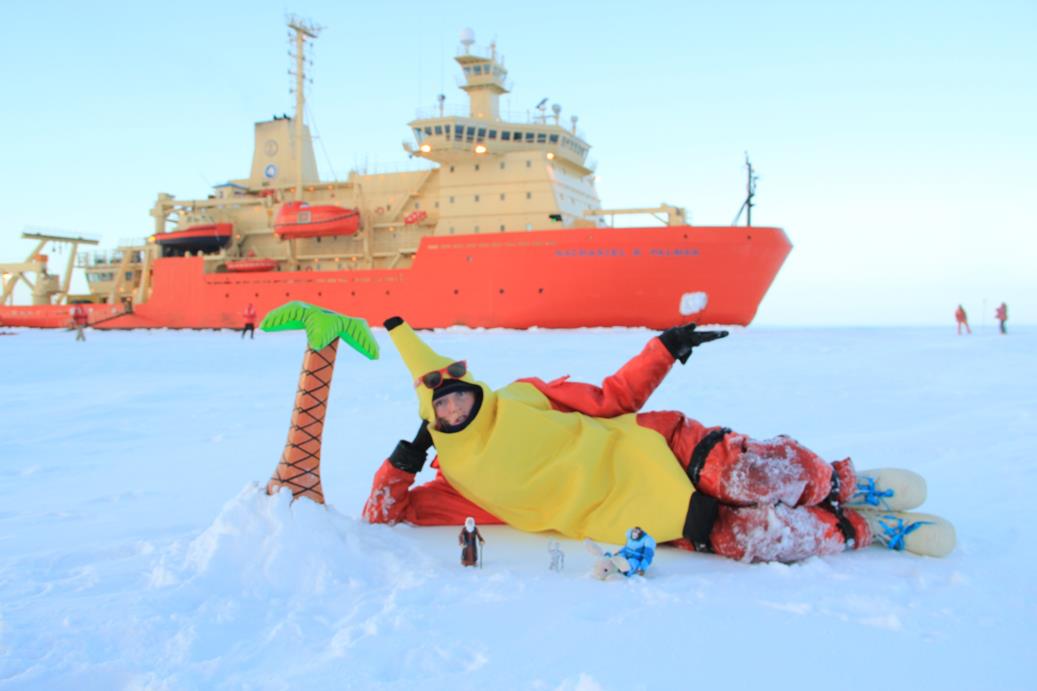
I’ve traveled on an icebreaker to Antarctica to study the algal carbon cycle in the Ross Sea.

135263_10101896671521968_32959145_o

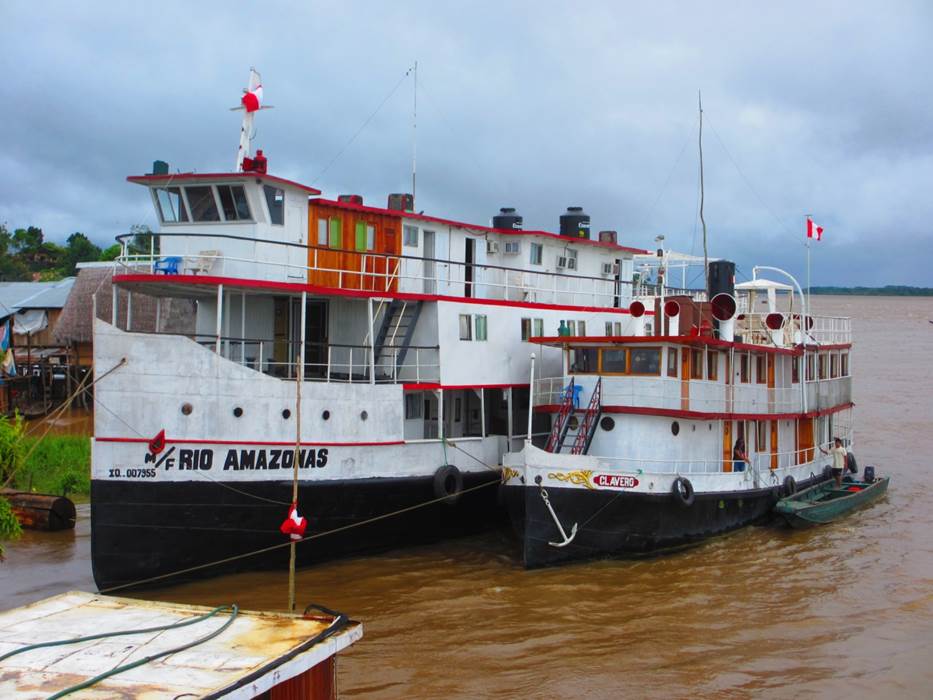
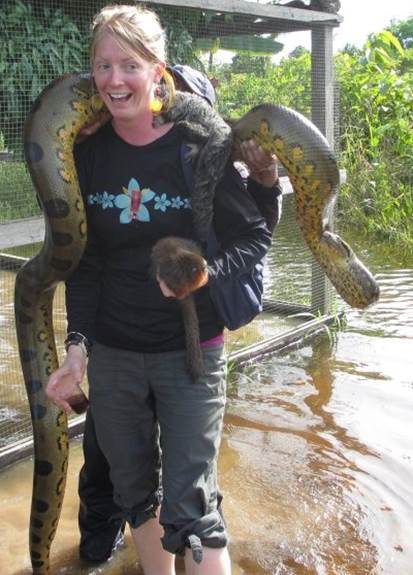
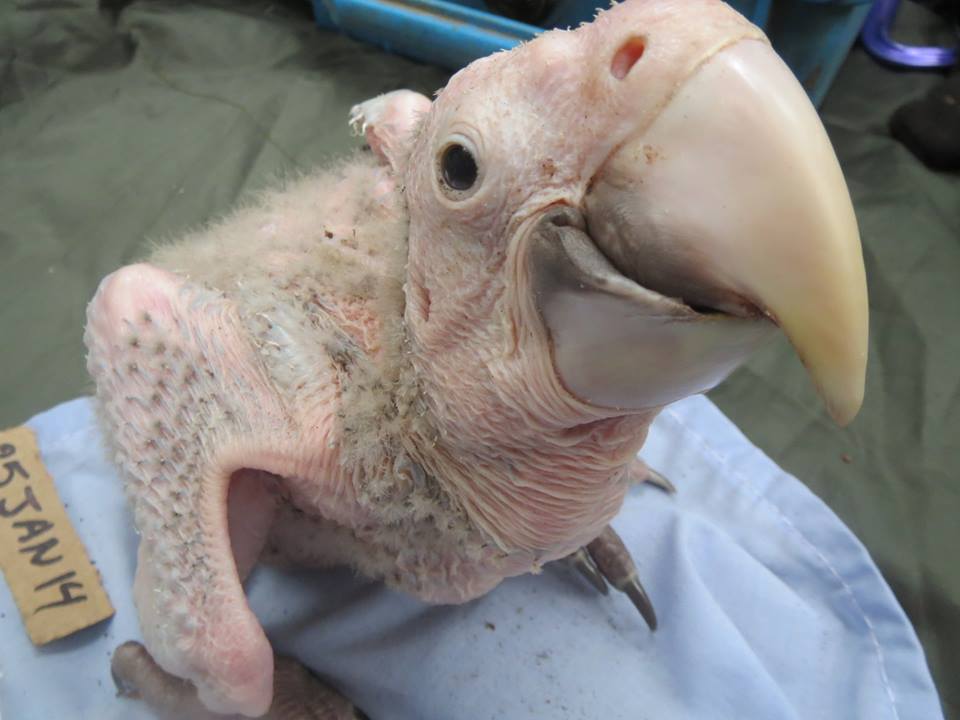
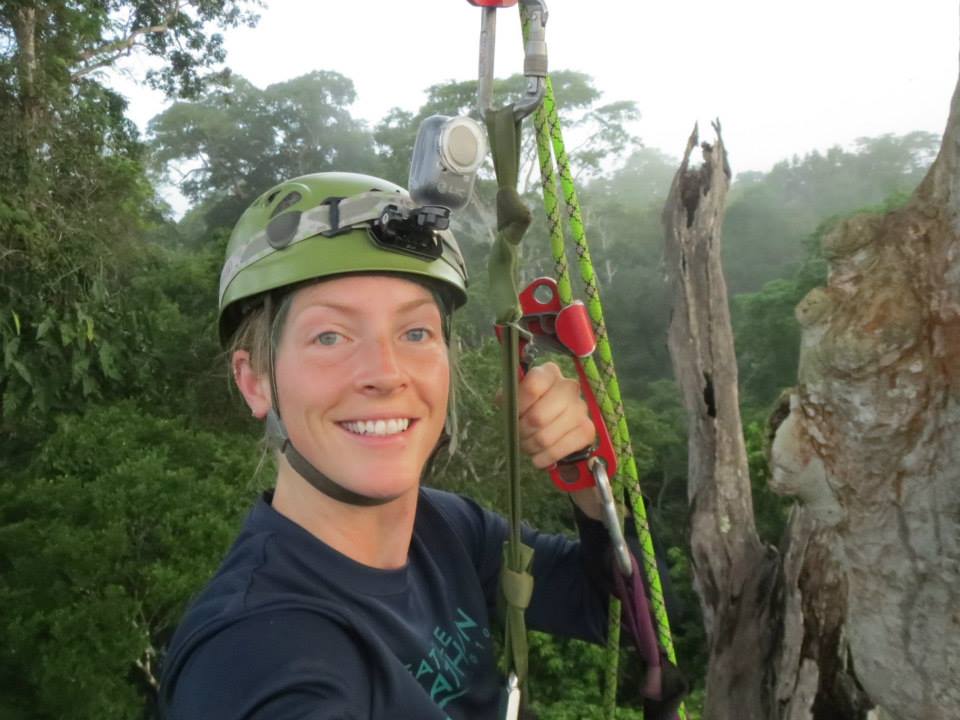
Ive volunteered in the Peruvian Amazon multiple times with Earthwatch and The Macaw Project.

Picture9Picture10 1779318_10102744584337888_1311364414_n 1898174_10102831423765978_1174904176_n

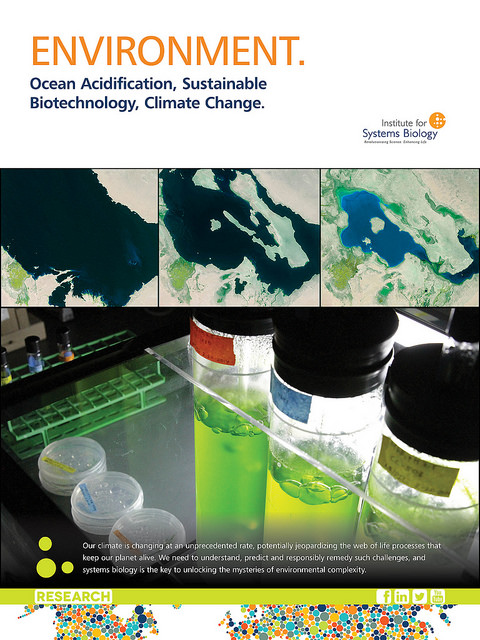
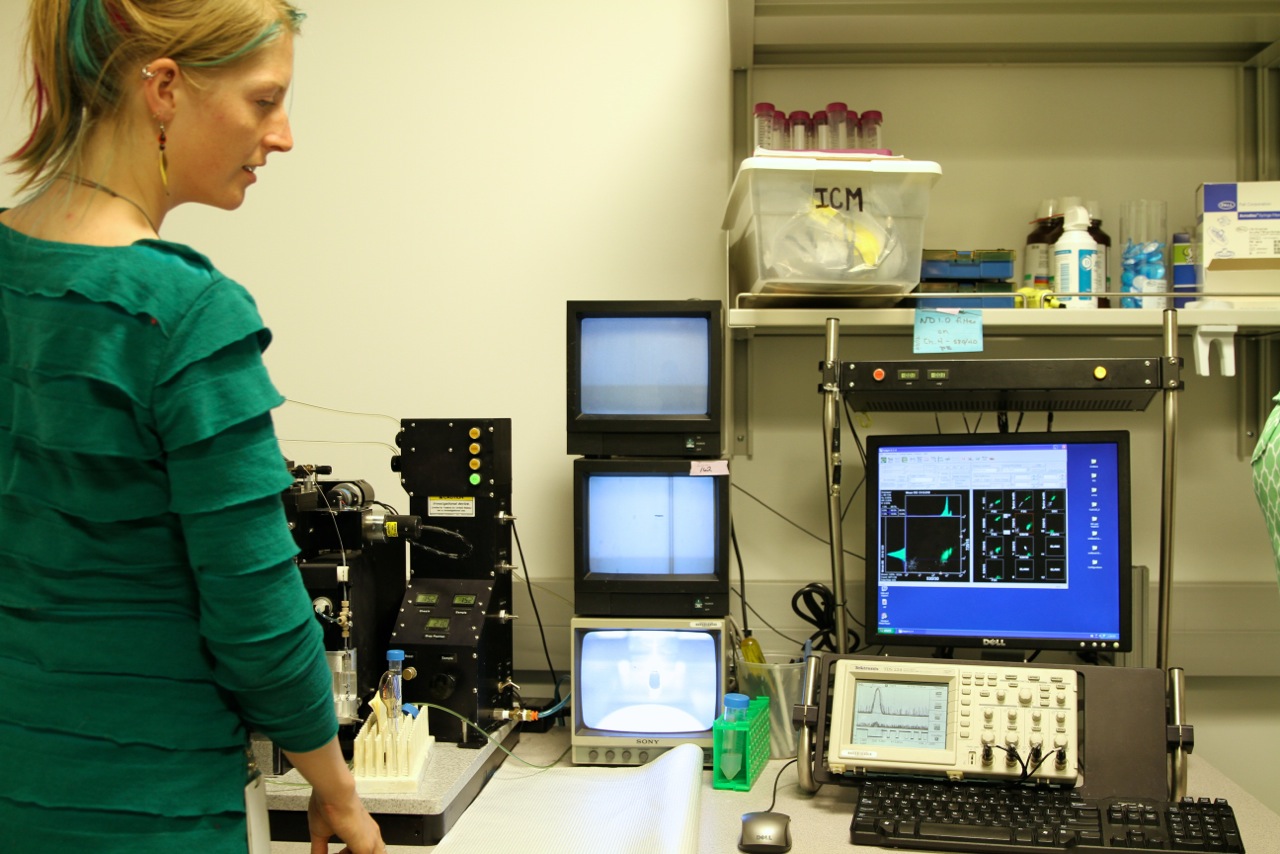
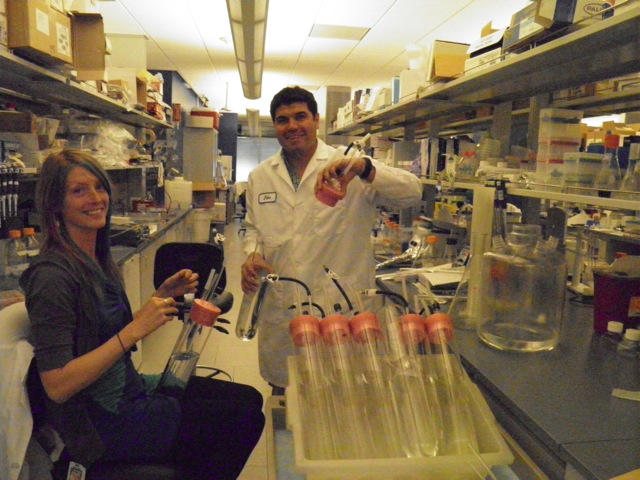
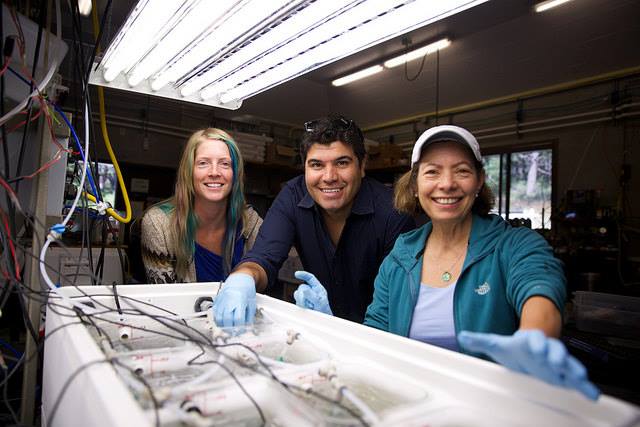
Currently, I work on a climate change project looking at how algae respond genetically to high CO2 levels, ocean acidification conditions, and UV stress.

15621084736_791f343430_zIMG_0689 P5122976 10561762_10103347043210478_747314573458281885_n

That seems like a lot of experiences!

Yet, I still yearn for more experiences.

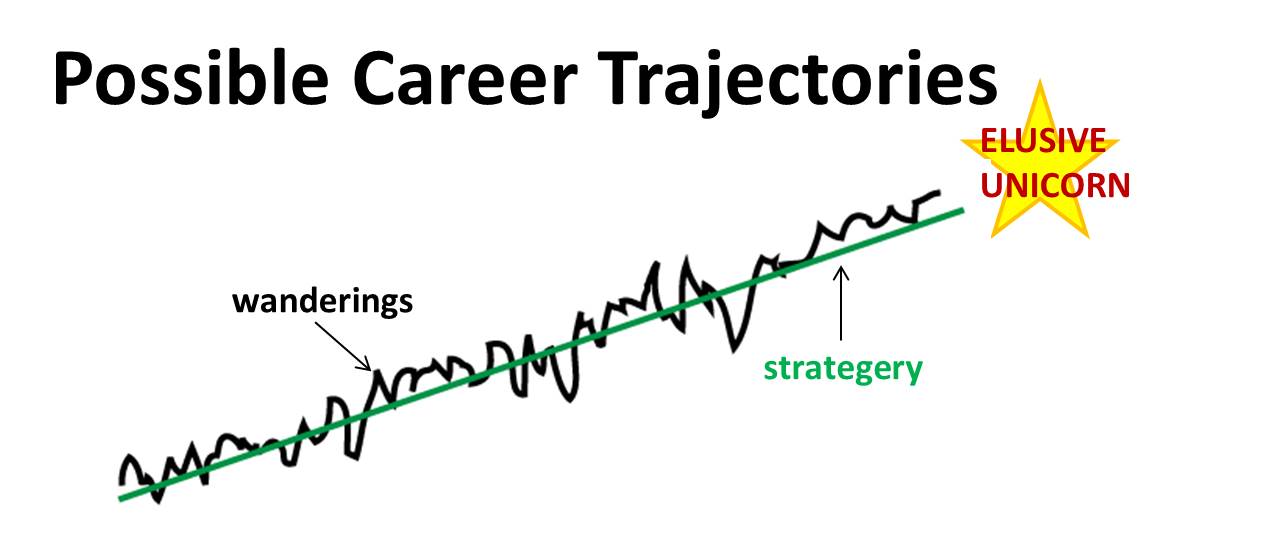
To someone who knows what path they need to be on to reach their goal, my endeavors could look like aimless wanderings. To me, I think only in hindsight will their strategery be revealed.

Picture13

Not all who wander are lost – J. R. R. Tolkien

Share this:
Facebooktwitterby feather

It’s A Girl

This webpage blog has just been birthed from the womb of my mind and is currently still covered in blood and placenta. You’re welcome for the visual. That’s life.

Let me clean this baby up and in the meantime, please click on About to learn the intentions for this forum. If you would like to contribute a story or an idea contact me here: allison@womanscientist.com.

I look forward to sharing and growing with you!

Share this:
Facebooktwitterby feather
Newer posts »

© 2026 woman scientist

Theme by Anders NorenUp ↑