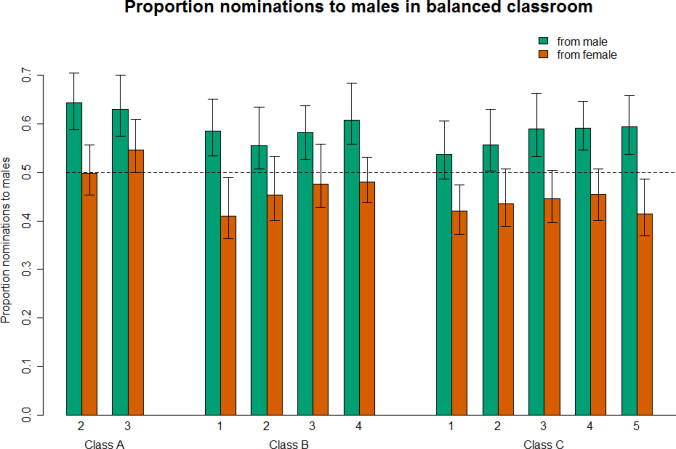
On February 11, 2016 Deborah Bach, with the University of Washington’s UW Today, reported on a recent study (published February 10, 2016) done by University of Washington researchers. Headline read:
Share this:

 by
by 
in the field
On February 11, 2016 Deborah Bach, with the University of Washington’s UW Today, reported on a recent study (published February 10, 2016) done by University of Washington researchers. Headline read:
Share this:
by
Big congratulations to all six finalists of the 2016 Indianapolis Prize – the world’s leading award for animal conservation.
“Our world is unquestionably better off because of these heroes and we hope others will not only take notice of, but also join in their noble work to save wild things and wild places.” – Michael Crowther, president CEO of the Indianapolis Zoological Society.
Special Shout Out
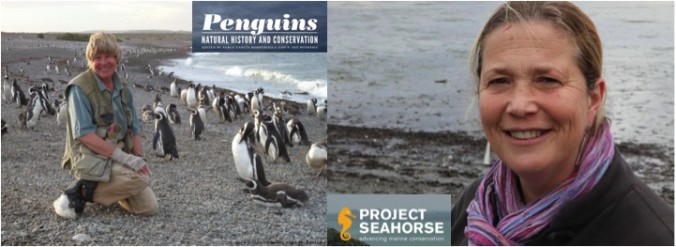
In keeping with Woman Scientist themes, we want to give a special shout out to the two women scientists who are in the top six finalists: Amanda Vincent and Dee Boersma.
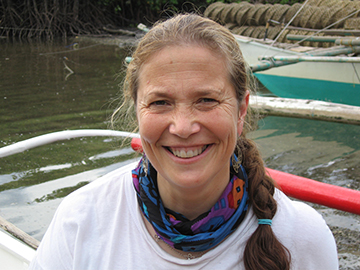
Amanda Vincent (University of British Columbia) was the first person to study seahorses underwater and started Project Seahorse to bolster conservation of these rare fish. She has also received support from National Geographic. Be sure to look through the photos, videos, and blog posts for more fascinating information about this woman’s career and research projects.
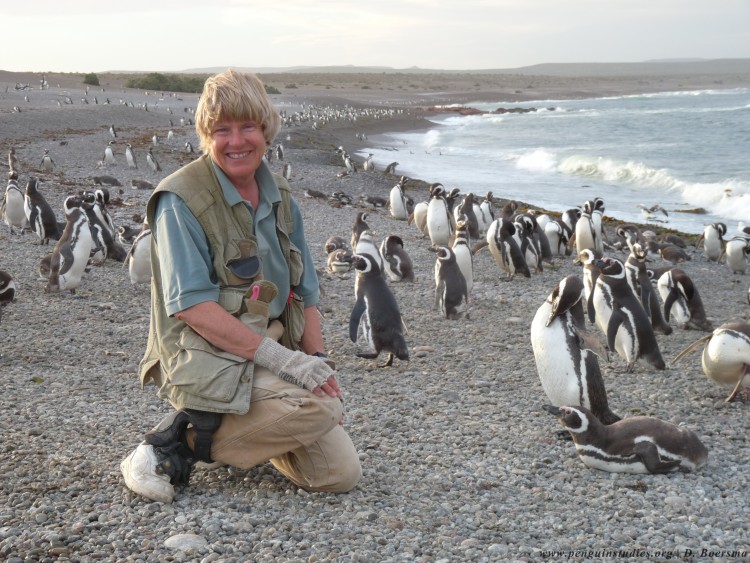
P. Dee Boersma (University of Washington) has documented the impacts of climate change on penguins and successfully stopped oil tanker lanes through penguin colonies. She has also received support from National Geographic. Read more about her career in the UW News.
Prize Award
Twenty-eight conservationists were nominated for this year’s prize and join the ranks of recognized conservationists making strides to save species. Six conservationists made it into the finals. To see the finalists from prior years since 2006 click the side tab year links.
From 2006 through 2012, winners of the Prize received an unrestricted cash award of US$100,000, which was increased to US$250,000 for 2014 and subsequent years. This is the largest international monetary prize given to an individual for the conservation of animal species – sponsored by the Eli Lilly and Company Foundation. Beginning in 2014, five other finalists each received a US$10,000 unrestricted cash award.
The presenting of the Indianapolis Prize and the Lilly Medal will take place during the biennial Indianapolis Prize Gala hosted by Cummins Inc. where the winner and finalists will be honored for their selfless dedication, scientific expertise and lasting success.
Previous Recipients
Thank you to all the dedicated conservationists out there who spend their lives saving the Earth’s endangered animal species!
Share this: by
by
On January 28th, 2016 a one-day Women in Science Summit 2016 event was hosted by Dr. Heather Tallis, The Nature Conservancy’s acting chief scientist, Dr. Meg Lowman, chief of science and sustainability at the California Academy of Sciences, and Dr. Rita Mehta, assistant professor of ecology and evolutionary biology at UC Santa Cruz.
Speakers included: Jane Goodall (Gombe Reserve), Sylvia Earle (National Geographic Society Explorer-in-Residence), Dawn Wright (ESRI), Pam Matson (Stanford University), Jane Lubchenco (former head of NOAA), Kathy Sullivan (the first woman to walk in space) and others.
The day was filled with 8 hours of discussions and panels between women (and some men!) in various fields at various stages in their careers. Thankfully the entire event was archived for our leisurely viewing pleasure.
If you didn’t get a chance to listen to this event live or archived, I wanted to share the tidbits that I took away from each session. Please feel free to skim through my bullet notes. They’re here for you!
Tidbits of Wisdom I Took Away From This Event:
2-minute video recap:
Big thanks to California Academy of Sciences for putting on this event. Obviously there are so many more invaluable points that were discussed during this event which could have been added to this post. We look forward to Women in Science Summit 2017.
To the future!
Share this:
 by
by
This month I heard about two young ladies who have created brilliant ‘why-didn’t-I-think-of-that-already‘ ideas (yes, I’m holding back envy while simultaneously full of admiration).
The interesting thing is that both stories involve crowd-source funding platforms.
I wanted to share these two stories with you in hopes that they inspire YOU to feel confident about your ideas and find ways to speak up about them!
Kina McAllister and Stem Box
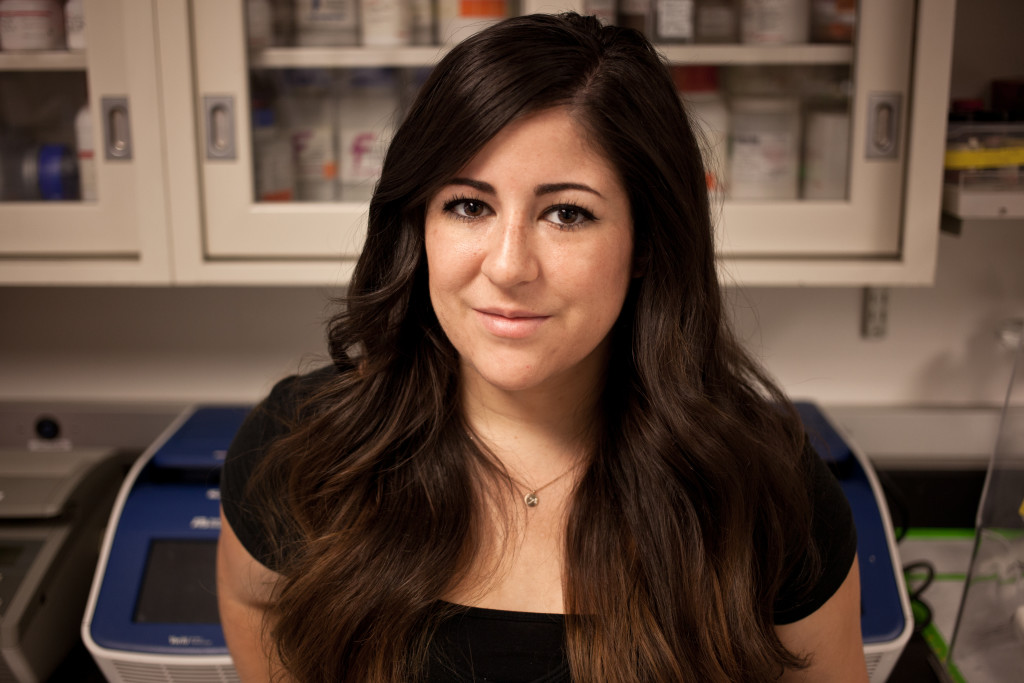
Photo source: http://lifeisbeautiful.com/speakers/kina-mcallister/
Kina McAllister created Stem Box – kits you can order that are filled with cool and gross science experiments. She used the crowd-source funding platform Kickstarter to raise $22,943 and funded her campaign to disseminate kits around the country with the hope that they will attract more girls into science. Kina is in her twenties and is a research technician at the Fred Hutchinson Cancer Research Center in Seattle Washington.
Read the full story about how she started her idea.
Cindy Wu and Experiment
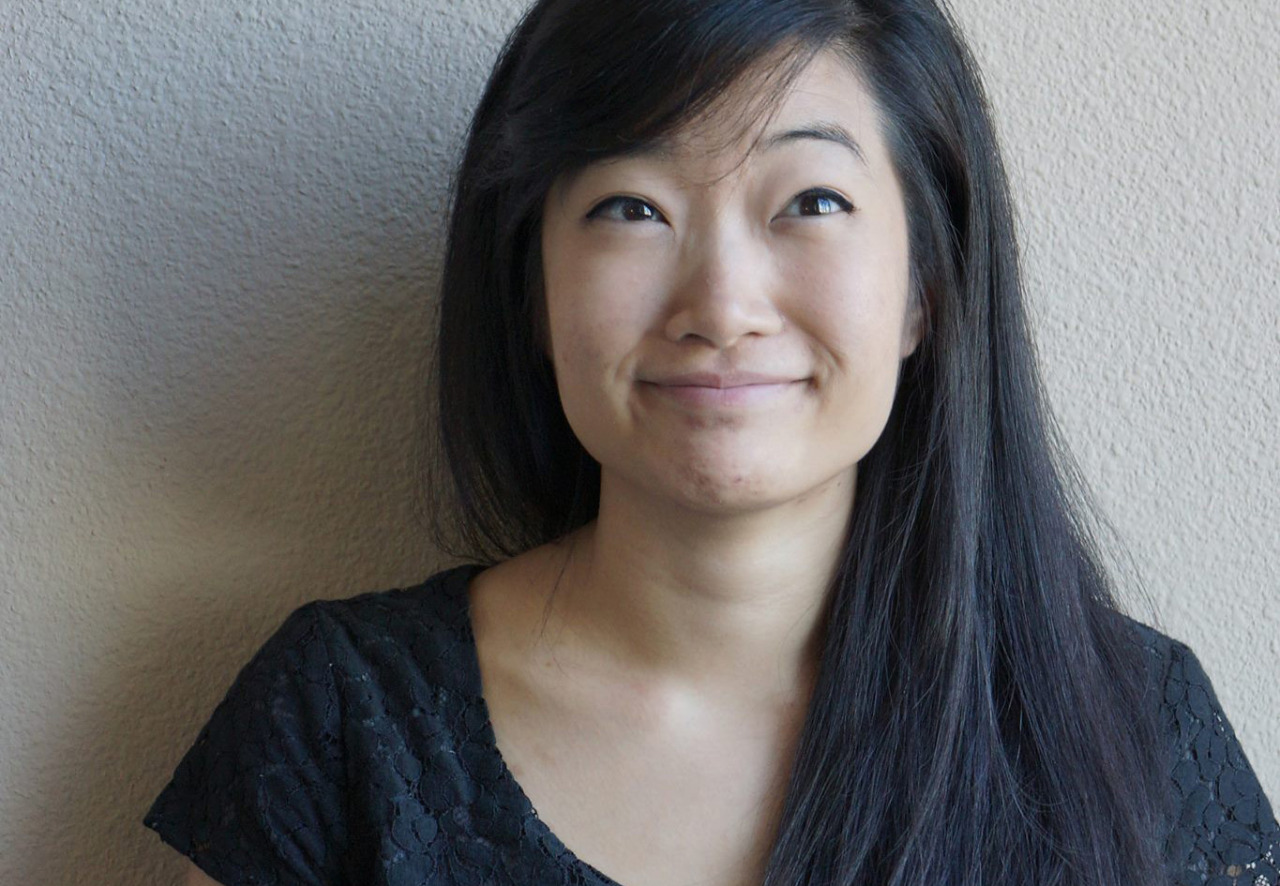
Photo source: NY Times – Women in the World
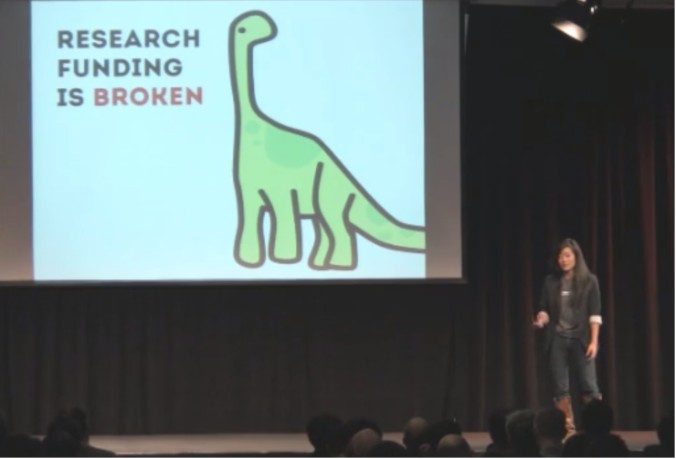
Cindy Wu, in her early twenties, created a crowd-source funding platform called Experiment specifically designed for funding scientific research. A recent college graduate from University of Washington, Cindy wanted to take her research further. She was frustrated this wasn’t a possibility because of the restrictions from government agencies: she was young, didn’t have a PhD and she wanted less than $25,000. She wondered why a crowd-funding platform like Kickstarter or Kiva didn’t exist specifically for scientific research, so she dropped out of graduate school to create it herself. With a quick pitch of her idea she raised $1.2 million dollars.
You Have Good Ideas Too
These ladies had some fantastic ideas they executed and made into realities.
We all have good ideas (even if you think you don’t)! Truth moment: For whatever psychological reasons, I am the type of person who constantly feels inspired to have ideas, but then gets frustrated that they never seem to arrive; Alternatively, I feel like everything has already been thought of so what genius ideas could possibly be left for me to think.
I’m not telling you this to get you to join my pity party, I’m telling you this because 1) I know I’m probably not alone in these thoughts and 2) I want you to feel supported and confident with your ideas, because we can additionally think, “Holy cow! These women had ideas that they might have thought weren’t worth pursuing, and yet, they created resources they wanted simply because they needed them and wouldn’t accept that they just didn’t exist.”
What do I wish existed and can I do something today that might make the slightest change in what I think is important for the world?
They didn’t give up on their ideas or put them aside. They played with them until they created their reality.
Share this: by
by
Self-promoting scientists? Usually, strategic marketing and promotion skills are reserved for the business world, for businesses and entrepreneurs. Not for scientists. They don’t have a brand, they aren’t selling anything for consumers to buy, so they have no reason to self-promote.
… Or do they?
Many people are doing amazing research. I personally love hearing about it, I’m sure the public would love to know about it as well as other aspiring scientists, and government and philanthropic funding agencies should know about it. Government funding is becoming more scarce nowadays and scientists are forced to think more creatively about getting noticed. We can no longer hide behind our beakers and stick to our solitary interests expecting fame and wealth to come from only NSF or NIH. We have to embrace the attitude and spirit of promotion and marketing and we can learn a lot from those in the business world.
As an example, Bill Nye The Science Guy, recently put out a Kickstarter Campaign asking for $200,000 from the public to create a solar sailing space craft. What’s a scientist doing asking the general public for money?! If you watch his videos you realize he is embracing his inner nerd, putting out a message he thinks is important to research and he is asking citizens to help fund it because government funding isn’t enough. I admire that he did this! He understands that ultimately to further research possibilities, exposing yourself on social media, blogs, and other news sources may help those goals by tapping into additional funding sources from philanthropic agencies and even the general public.
But Self-Promotion Seems so Slimy and is Not My Style.
There are many reasons a scientist may not be interested or even good at self-promotion: These could include wanting to avoid harsh scrutiny, having insecurities about being exposed, not knowing how to make a presence outside of the lab, being too busy writing grants to do so, being too lazy to care about this aspect of outreach, or feeling silly exposing your passion and nerdiness.
If you are of the latter, then I want you to watch this video by Marie Forleo, a self-made multi-million dollar business woman who I take advice from:
The question is: How do you speak well of your brand (or your science) and let the passion shine through? How do you unabashedly blow your own trumpet? How do you do this without feeling like you’re bragging?
“Shameless self-promotion implies there should be shame in self-promotion. [… ] Where did we learn that self-promotion is bad? And why do we accept that as the truth? […] If we speak about something we do or have done, why is that a bad thing? Is joy and confidence and pride something to be shameful about?”
Marie Forleo brings in a great perspective on this issue. She is speaking to entrepreneurs in the business world and I think it can translate to us scientists in our world.
I summarize her points below, but don’t short-change yourself: Go watch the video!
The world needs more scientists to get out there. Do you think Bill Nye felt shameful about promoting his idea and asking citizens for their help in funding it? No! His ultimate goal goes beyond his ego. He’s doing it for the science!
If you’re in science, and you love what you do, then share it with the world!
Share this:
 by
by
How does a scientist choose a project or a scientific problem?
In E O Wilson’s auto-biography Naturalist he reveals his motivation in becoming a myrmecologist (specialist in ants): As a young boy he blinded himself with the spine of a poisonous fish and after surgery and treatment he was left with 20/10. He lost his stereoscopic vision but was able to see fine print and small hairs on the bodies of insects.
“I noticed butterflies and ants more than other kids did, and took an interest in them automatically.”
His reduced ability to observe mammals and birds led him to concentrate on insects ultimately leading him down the path to becoming the world’s leading expert on ants (among many other topics including biodiversity and sociobiology).
If he had not blinded himself, would he had chosen these same scientific problems to research? Perhaps not.
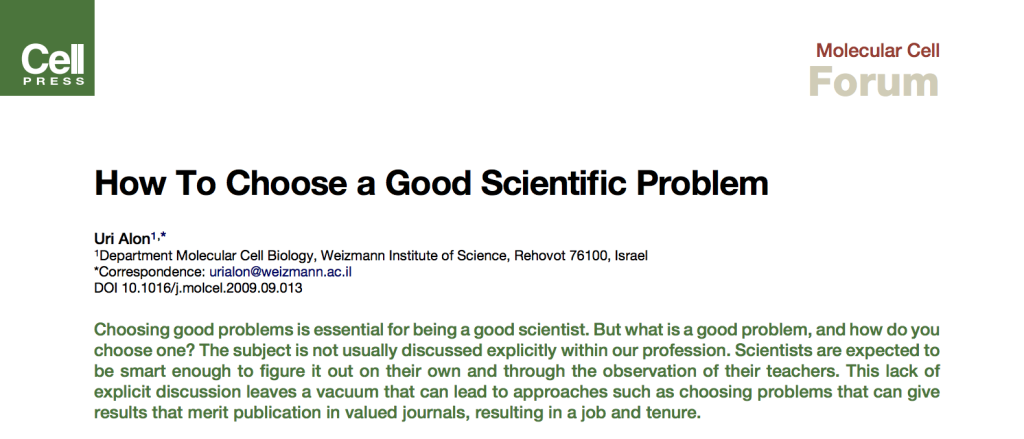
“The projects that a particular researcher finds interesting are an expression of a personal filter, a way of perceiving the world. This filter is associated with a set of values: the beliefs of what is good, beautiful, and true versus what is bad, ugly, and false. Our unique filter is what we bring to the table as scientists.” -Uri Alon
Uri Alon, a Professor and Systems Biologist at the Weizmann Institute of Science, gives us his perspective on the matter in this excellent article which you can read here:
Share this:
 by
by
Remember that glowing night scene in Avatar when the two blue aliens bonded under Pandora’s magical forest? I was hypnotized. I wanted it to exist on Earth. I wanted to be there. It reminds me of my childhood: sitting under the glowing blue Christmas tree lights, chasing after fireflies with my grandparents in New York, carrying around my Glo Worm doll (please tell me you had one too.). I’ve started to compile a list of places and things that exist on Earth which glow in the same magical Pandora-esque way. To please the child within.
TURTLES
Newest discovery, by David Gruber, a National Geographic Emerging Explorer, shows that hawksbill sea turtles bio-fluoresce! Read more.
SCORPIONS
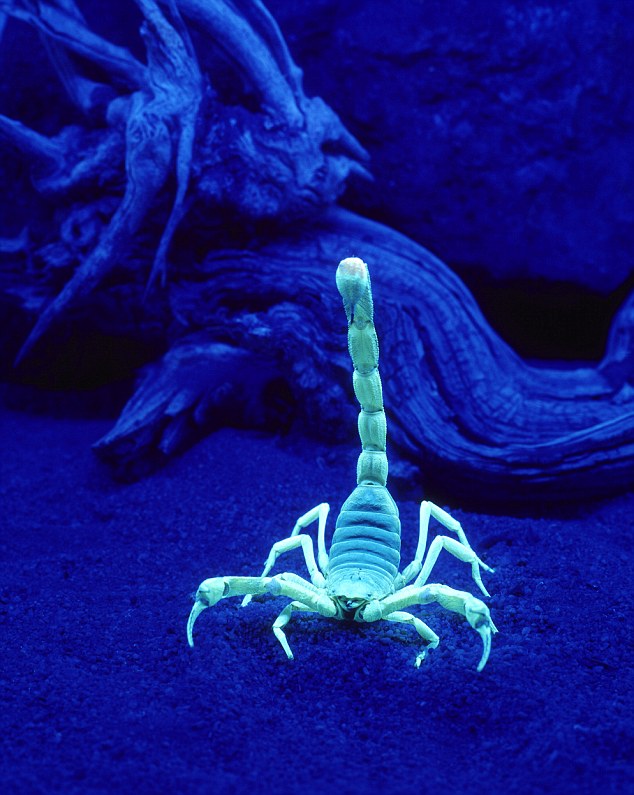
ARX3PR Scorpion (Hadruus arizonensis) under a black light. Image shot 2004.
During an entomology class in college I discovered scorpions glow in the dark under UV light. Overturn any number of rocks and see what you find! Why would scorpions glow? Apparently David Gaffin has figured out some answers. “Gaffin and co-workers have tested scorpion activity under different light wavelengths (including UV-light) with eyes covered or not. The results suggest that scorpion cuticular fluorescence actually may be involved in their perception of light and contributes to orientation and light-avoidance behavior (e.g. helps the decision to stay in their burrow until outside light conditions are optimal for avoiding predators etc.).” Take a look at the article in Discover Magazine.
OWLS
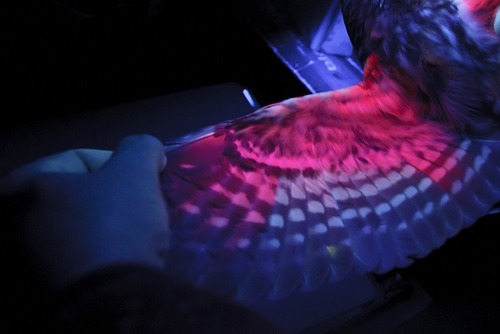
Photo snagged from Glenn Bartley
When I was a field biologist studying birds, I was told owl wing feathers glow under UV light. I didn’t believe it, so I looked it up and sure enough it is a novel technique scientists use to age juvenile owls. You an also read about it in this scientific publication.
“You can imagine that trying to assess the quality of feathers under dim light from headlamps, incandescent or fluorescent bulbs is something of a challenge, but until the mid 1990’s, this was simply how it was done. In 1982, researcher, Bruce A. Colvin discovered that porphyrin in the newly molted feathers of Barn Owls fluoresced under UV light. This organic compound fades over time and with exposure to light, making different generations of feathers easily identified using a UV light.” -Ann Nightingale
CORAL REEFS
I recently watched a PBS documentary showing coral reefs fluorescing under UV light! “There are several theories provided by scientists, and perhaps the most likely reason is that it acts as a kind of “sun block” for the coral protecting the zooxanthallae inside the coral from the harmful rays of the sun . Marine Biologists say that this property could perhaps protect shallow coral from bleaching or provide deeper coral the ability to absorb the UV light from the sun and reflect it back to the zooxanthallae allowing them to photosynthesize in the absence of sufficient sunlight.” Being a diver, this makes me want to go night diving immediately. Who is with me?
FLOWERS
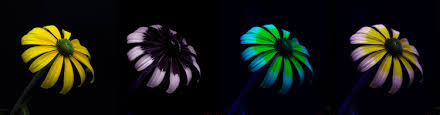
From R-L: The same flower with human vision, only UV vision (bright = UV), simulated bee vision (UV+G+B), simulated bird vision (tetrachromatcic: UV+R+G+B). (Photos: (c) Dr Klaus Schmitt, Weinheim, Germany, uvir.eu ) See more photos here.
Bees see flowers in a much different cloak than our human eye can detect. The guide patterns are caused by UV-absorbing substances and provide visual pollinating clues directing the bees to the center where they can find the flower’s pollen.
BIOLUMINESCENCE
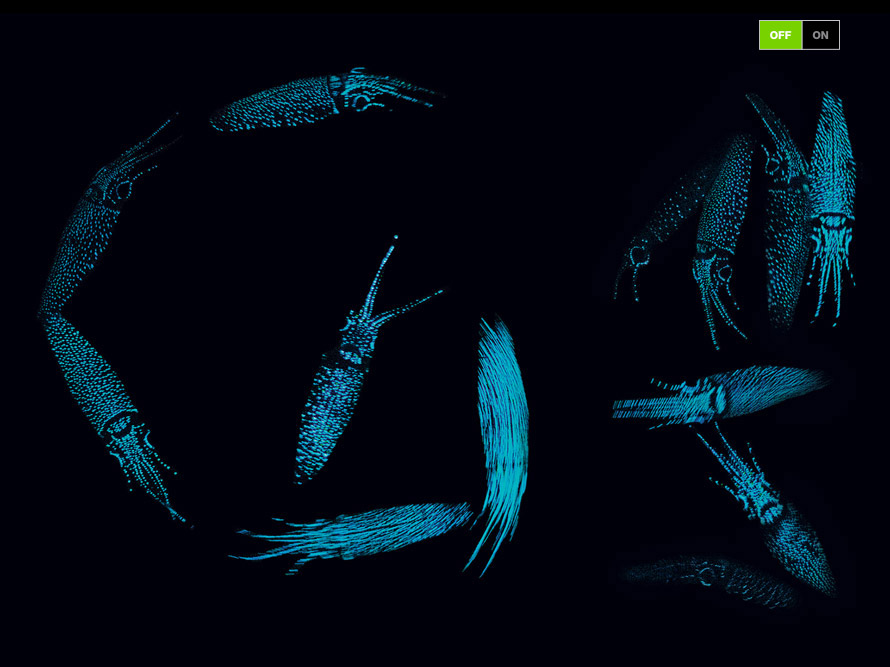
To see more beautiful photos, click the squid above.
National Geographic did an awesome article about bioluminescence, called Luminous Life in their March 2015 issue. “Evolving to make light seems to be relatively easy—it has happened independently in at least 40 different lineages.” -Olivia Judson
If you ever get a chance to go out on the water during a new moon and look at the bioluminescence, you will be blown away. It truly is a magical experience.
There are way more fluorescing treasures I did not highlight here, so be sure to take a look. With all this glowing talk I feel inspired to throw a black light party for the humans!
Share this: by
by
My Easter Sunday was unusual.
Sure, I ate the traditional spiral ham for dinner, but I was at sea and my family was nowhere in sight.
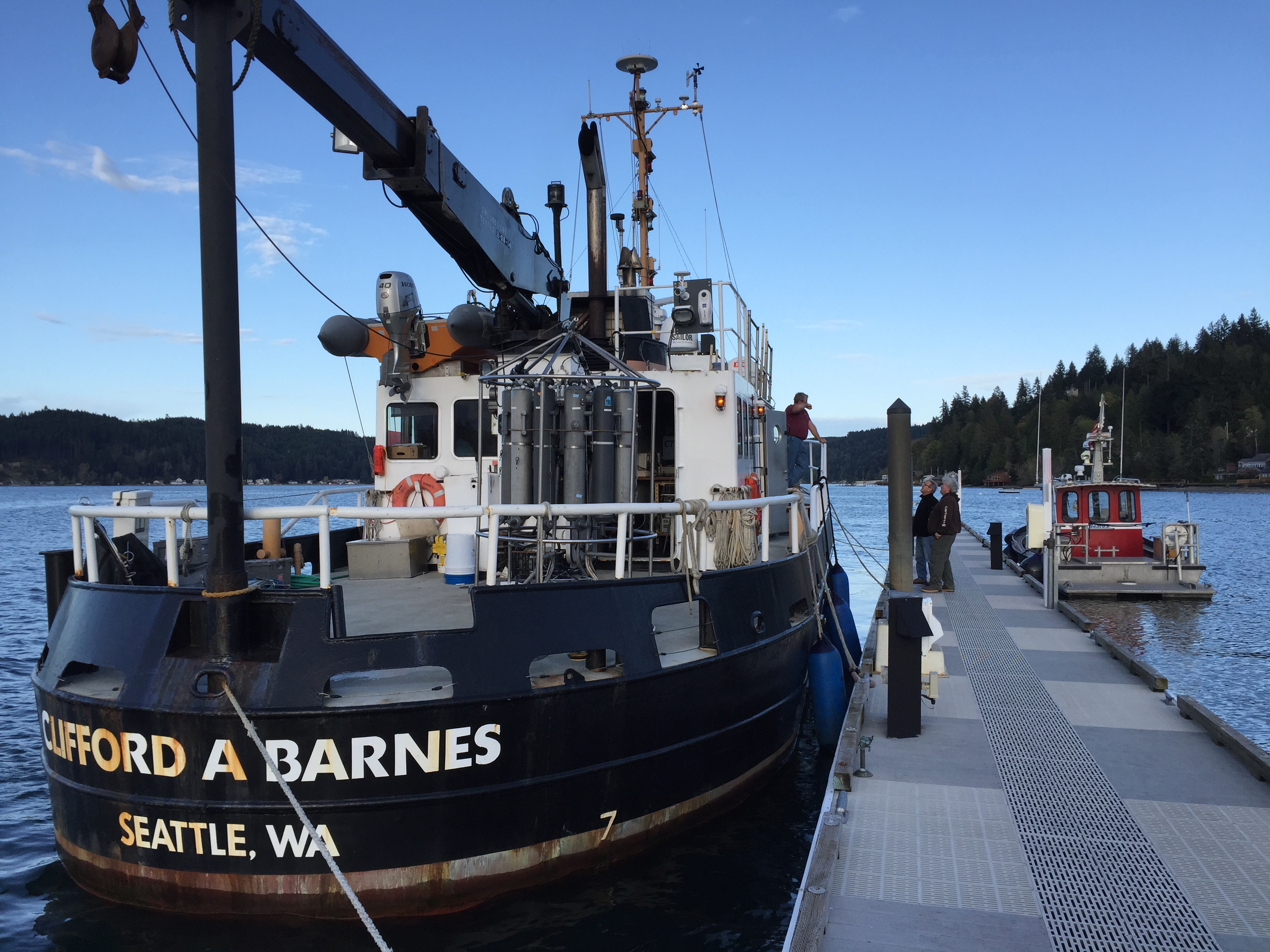
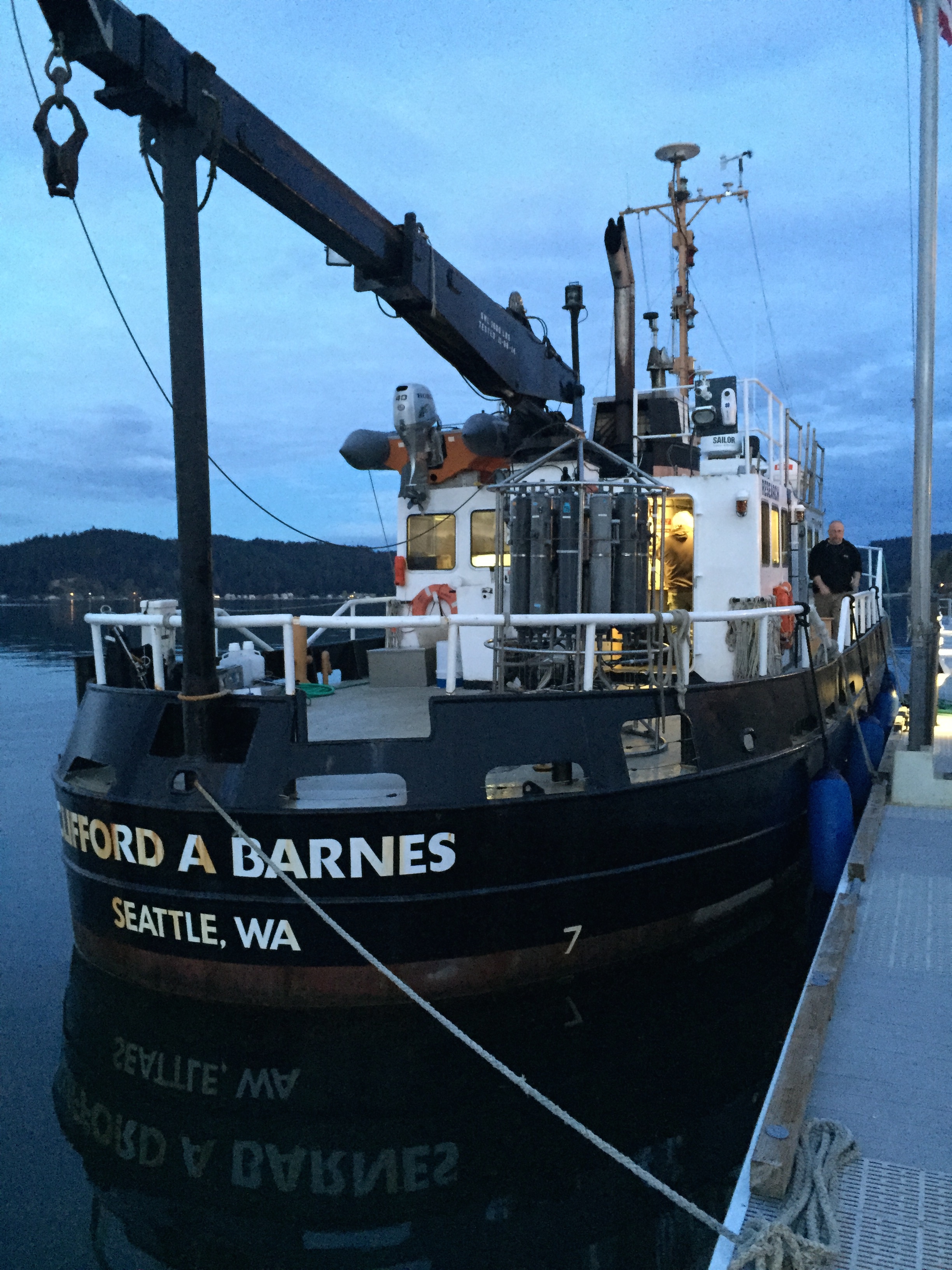
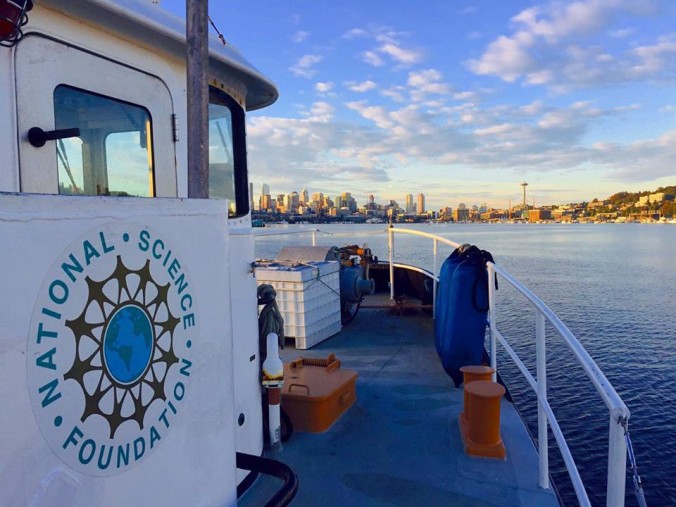
I was with eight strangers aboard the R/V Clifford A Barnes cruising around the Puget Sound for six-days of research monitoring ocean acidification, referred to as OA for short.
In honor of the sea and the nature of the project, I feel I should have been eating oysters for Easter dinner!
What is this Ocean Acidification you keep talking about?
If you’ve never heard of this term, and want to know more about it (which you should want to), I will redirect you to the links found on the University of Washington’s College of the Environment’s host website. Spend some time here familiarizing yourself with the globally important terms and what it means to our environment’s health:
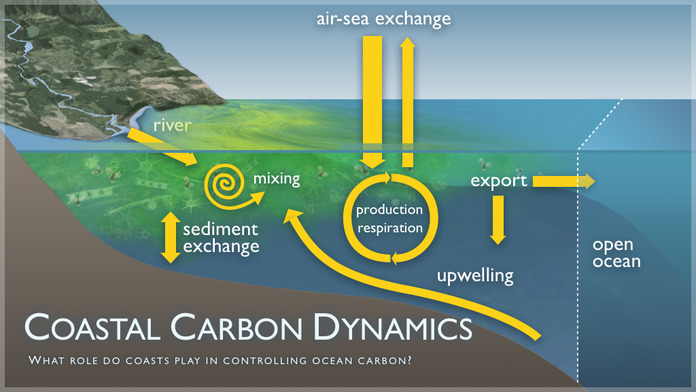
Below are some great graphics illustrating the important fluxes occurring in the environmental system. Take a good look at all the arrows and think about your personal experience with each. Images are from NOAA PMEL.
Changing Oceans, Changing Biology
It is easy to think of the ocean as a big vast body of empty water that doesn’t need much attention. Maybe you’ll think of a couple animals that live there like whales, sharks, and coral reefs. You’ll easily identify with currents and tides washing up on the beach if you’re a tide-pool lover or beach comber. The beauty of the oceans is that there is so much more than that. What most people take for granted is all of the intricate dynamic exchanges occurring between land, air, and water which perfectly tie biology, chemistry and geology together!
Currently, a lot of attention is being directed to a particular exchange: atmospheric carbon dioxide with the oceans. The carbon dioxide being released into the atmosphere (yes, predominately due to human needs for fuel) is absorbing into the oceans. This absorption into the ocean is a natural process as the gases in the ocean below like to be in equilibrium with the gases in the air above. However, once that carbon dioxide gets into the water it reacts with the water molecules setting off a whole chain of chemical reactions which lowers the ocean’s pH, termed ocean acidification. This rapid change we are seeing, which has been calculated to be escalating since the time of the Industrial Era, has us concerned about the chemistry and life in the oceans.
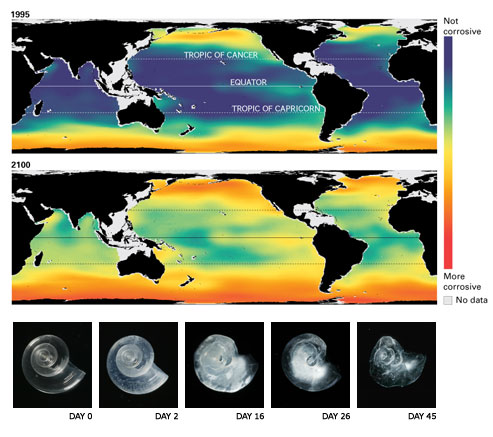
“If carbon dioxide continues to rise unchecked, computer models show that acidification will deplete carbonate ions in much of the ocean by 2100, turning the waters corrosive for many shell-building animals.”
From The Acid Test www.nationalgeographic.com
Why are we doing this cruise? … Because oysters.
No seriously, the reason us scientists are out here monitoring the waters comes from the birth of the Blue Ribbon Panel in 2011. This was enacted because, as in Governor Christine Gregoire’s own words, “Our shellfish industry employs thousands of people, and brings in millions of dollars to our state on an annual basis. Continued success depends on healthy ocean water.” The Blue Ribbon Panel is “a panel of science and policy experts to address the effects of ocean acidification on WA’s shellfish resources.”
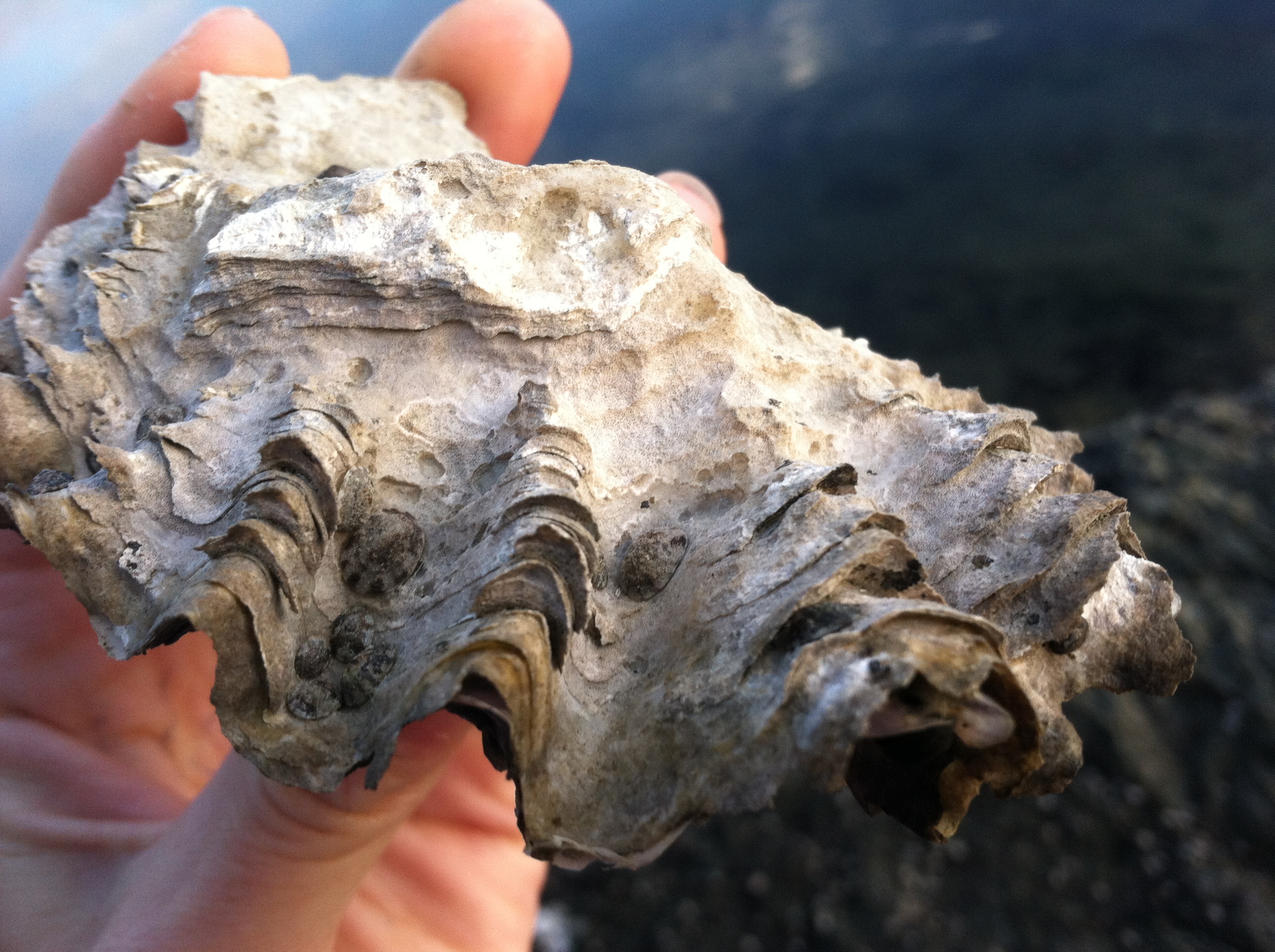
Science will save the oysters!
In 2013 the Blue Ribbon Panel spawned the Washington Ocean Acidification Center (WOAC, sounds like ‘whoa-wack’) . The legislature requires the Center to execute five priority actions. The cruise I am currently on exists in response to the second bullet point listed within the actions. We are not directly dealing with oysters but monitoring the health of the Puget Sound builds upon our knowledge of the areas which are pivotal for successful oyster growth and harvesting:
- Establish an expanded and sustained ocean acidification monitoring network to measure trends in local acidification conditions and related biological responses. This monitoring will allow detection of local acidification conditions and increase our scientific understanding of local species responses.
- Read more about progress on this priority action.
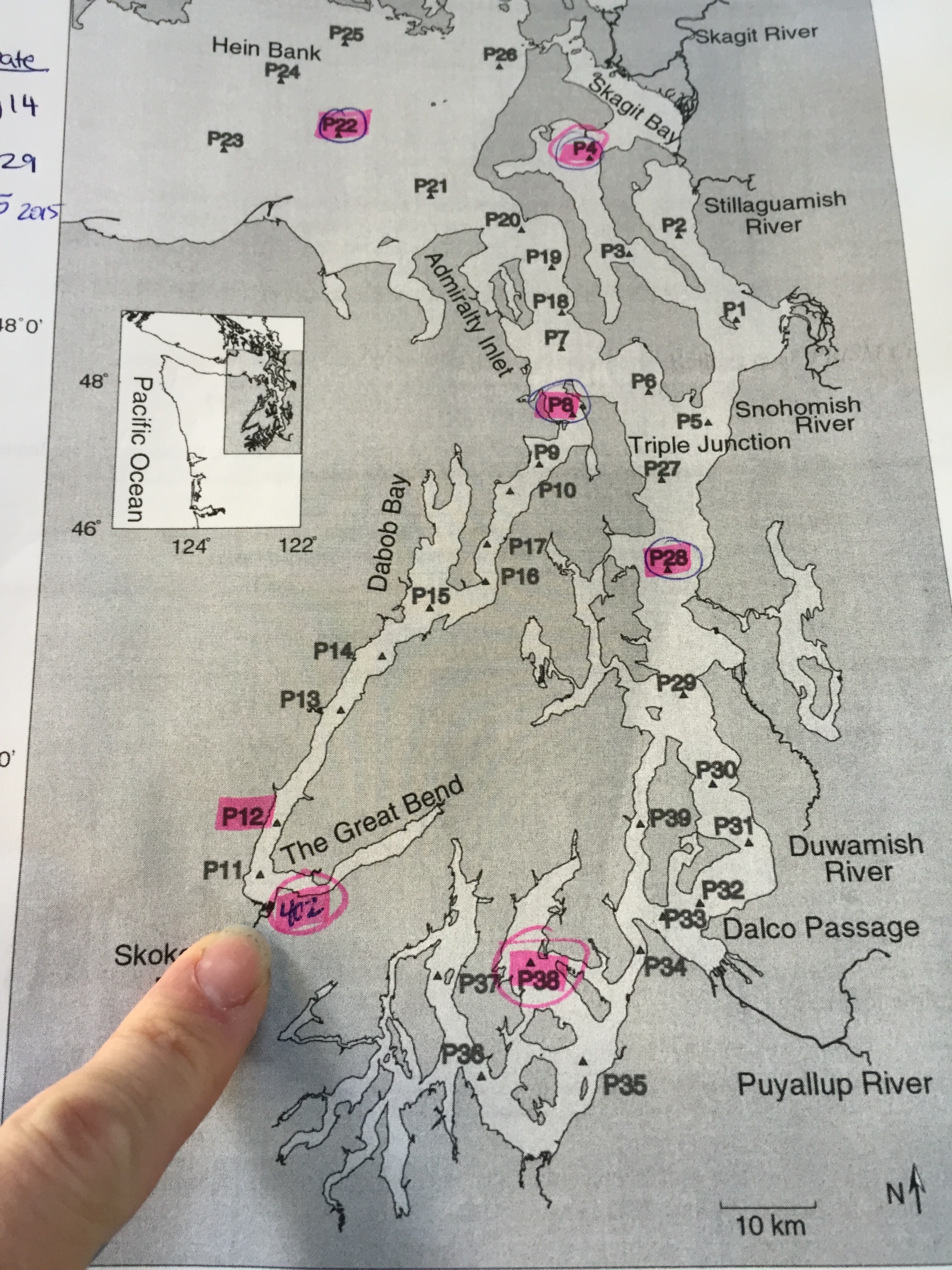
Below is a photo map of all the stations we will be visiting on this trip. The stations highlighted in pink are the specific locations my boss is interested in (more about that below). The ‘P’ indicates these are stations included in PRISM , the Puget Sound Regional Synthesis Model which sends biannual cruises within the greater Puget Sound to collect oceanographic time-series data. The network NANOOS was created as a place to hold more detailed scientific information and comprises over forty entities researching the Puget Sound as part of the ocean observing system.
All Hands on Deck – How We Sample
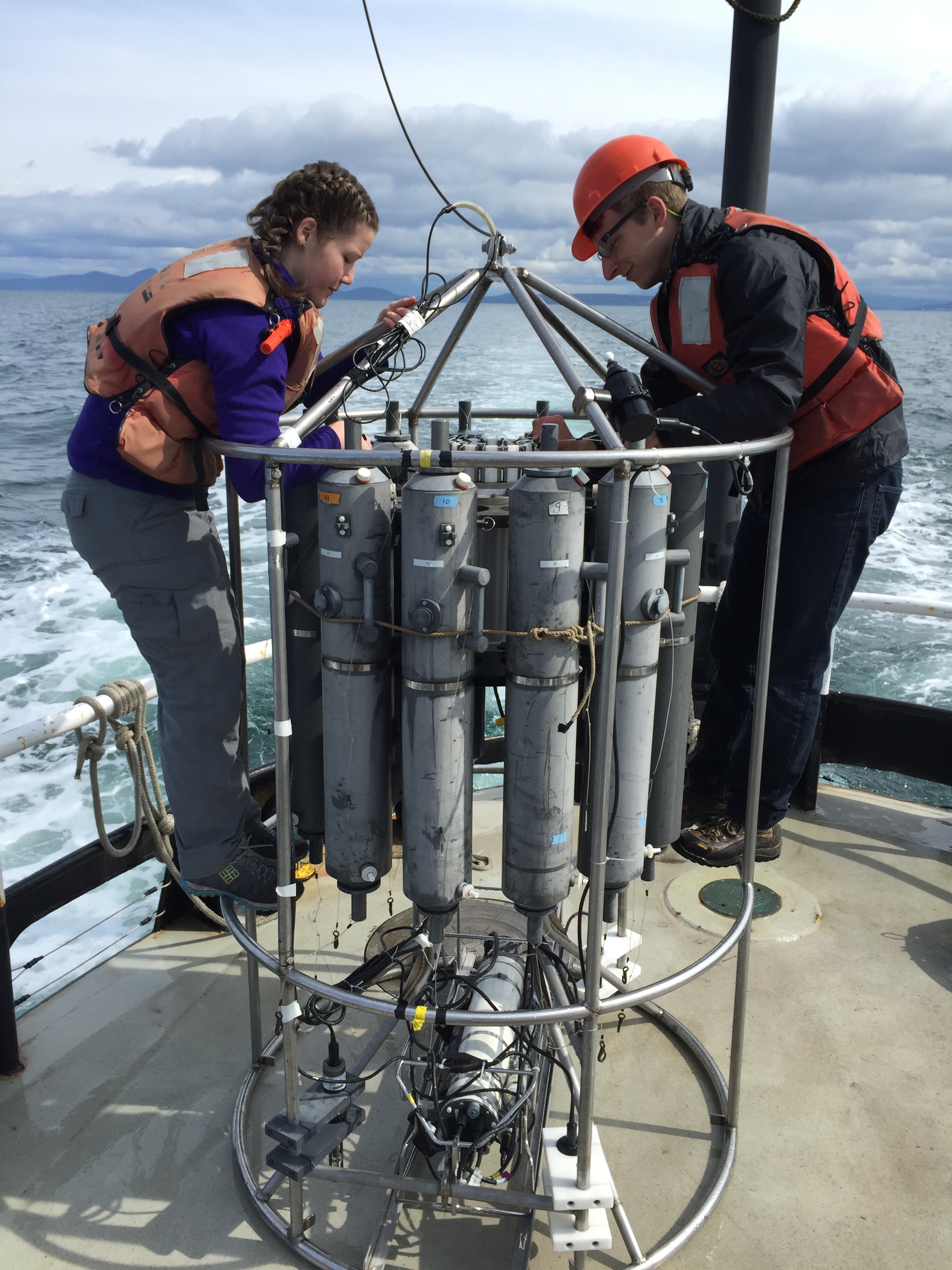 The contraption to the left is referred to as a CTD. This is a little package of sensors that measure Conductivity Temperature & Depth. It rides on the metal frame lined with gray Niskin bottles which we call a rosette.
The CTD comes up on deck full of sea water collected from different depths in the water column and we begin sampling for many different variables:
Rachel is the first to crack open the Niskin and takes a sample of seawater for oxygen measurements. It is important to get the sample stored into the bottle as soon as possible to limit the amount of time the sea water from depth is exposed to the atmosphere.
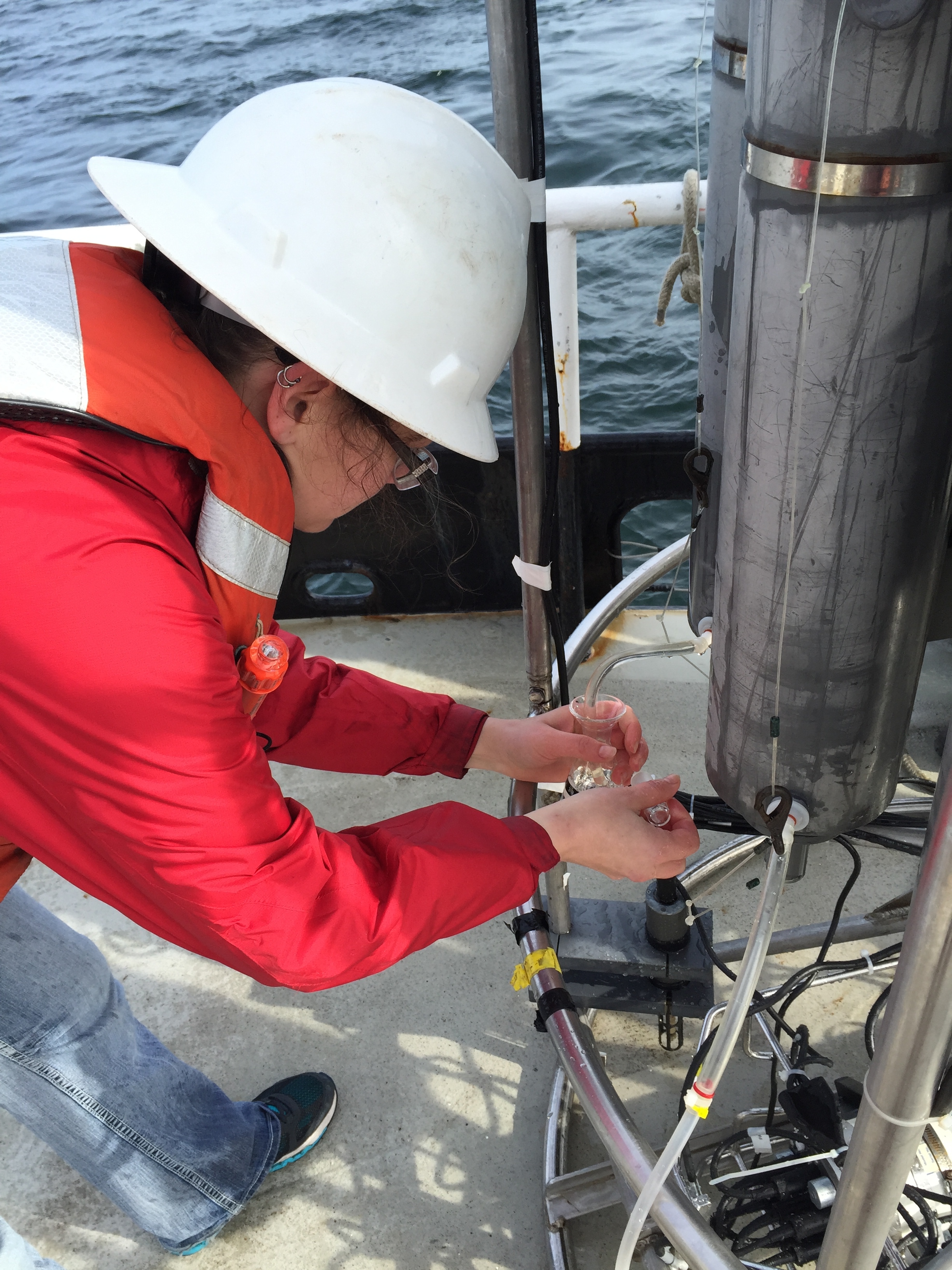
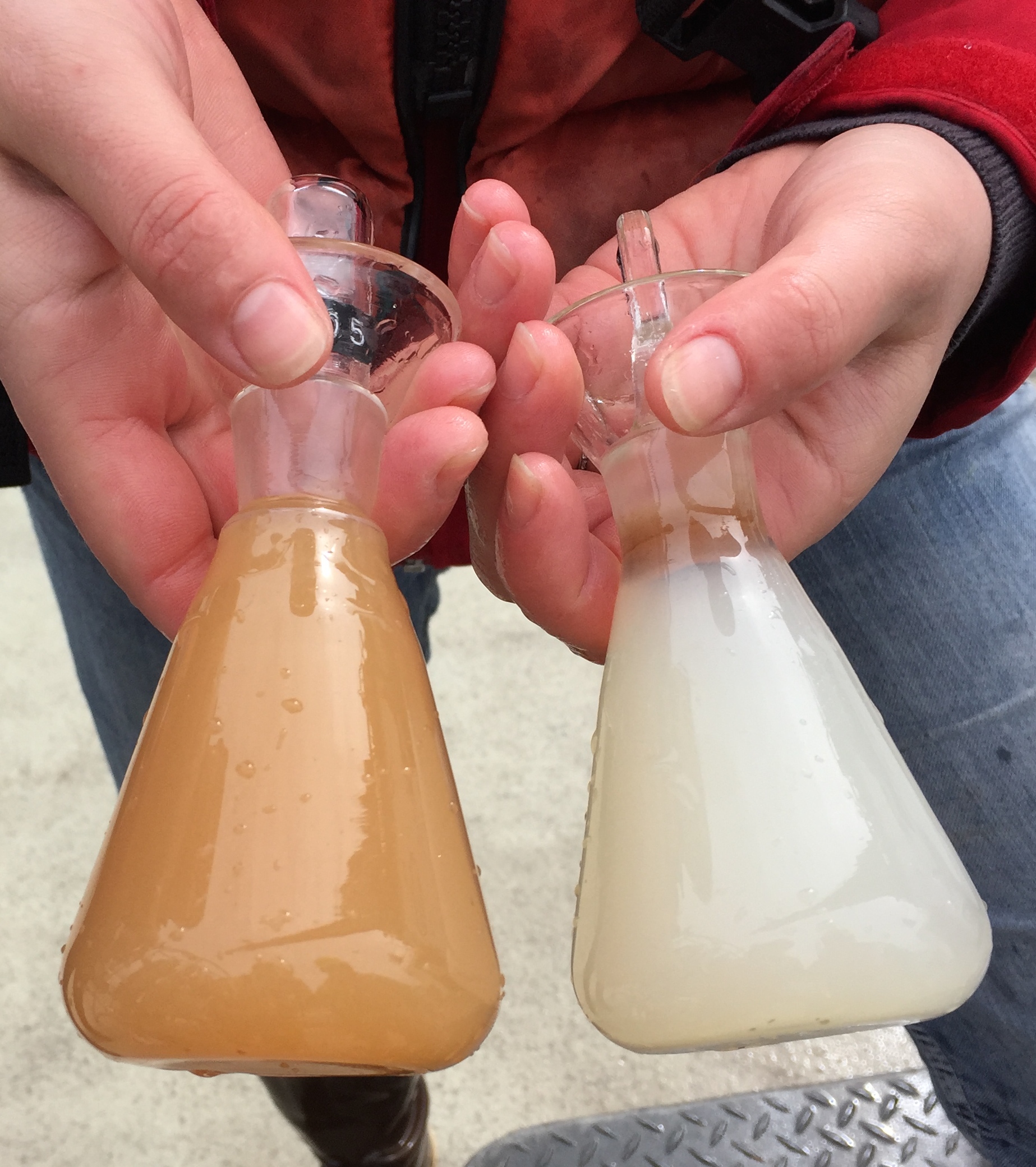
These two bottles, pictured below, contain sea water from Hood Canal. Chemicals are added which grab on to the oxygen within the water and create a precipitate (the orange color). The left sample is from the surface and has more oxygen which creates more precipitate making it orange. The right sample is from depth and has less oxygen which creates less precipitate making it less orange (whitish).
Next, the plankton nets are deployed. On this cruise we run three types of tows: vertical, horizontal, & oblique.
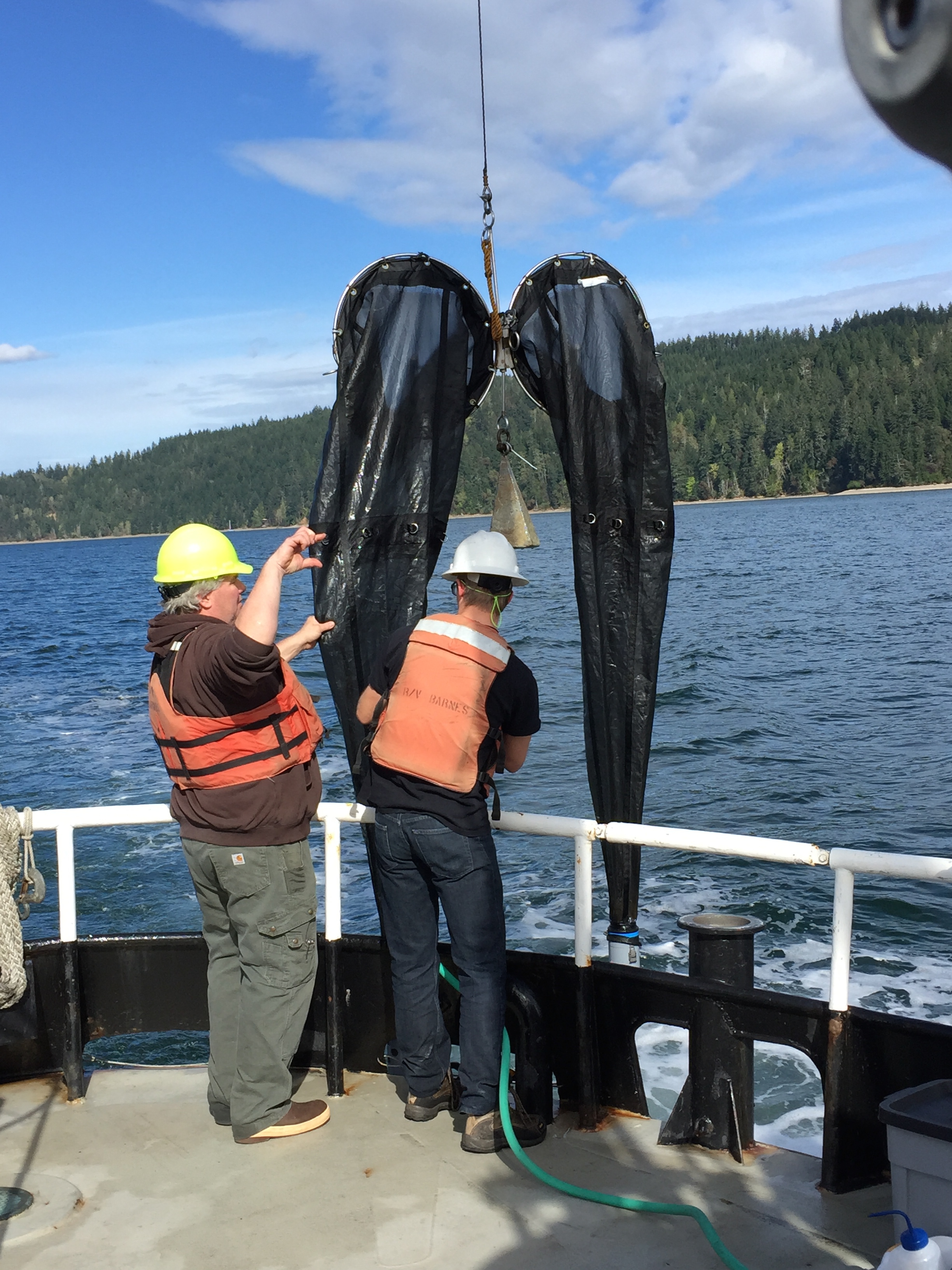
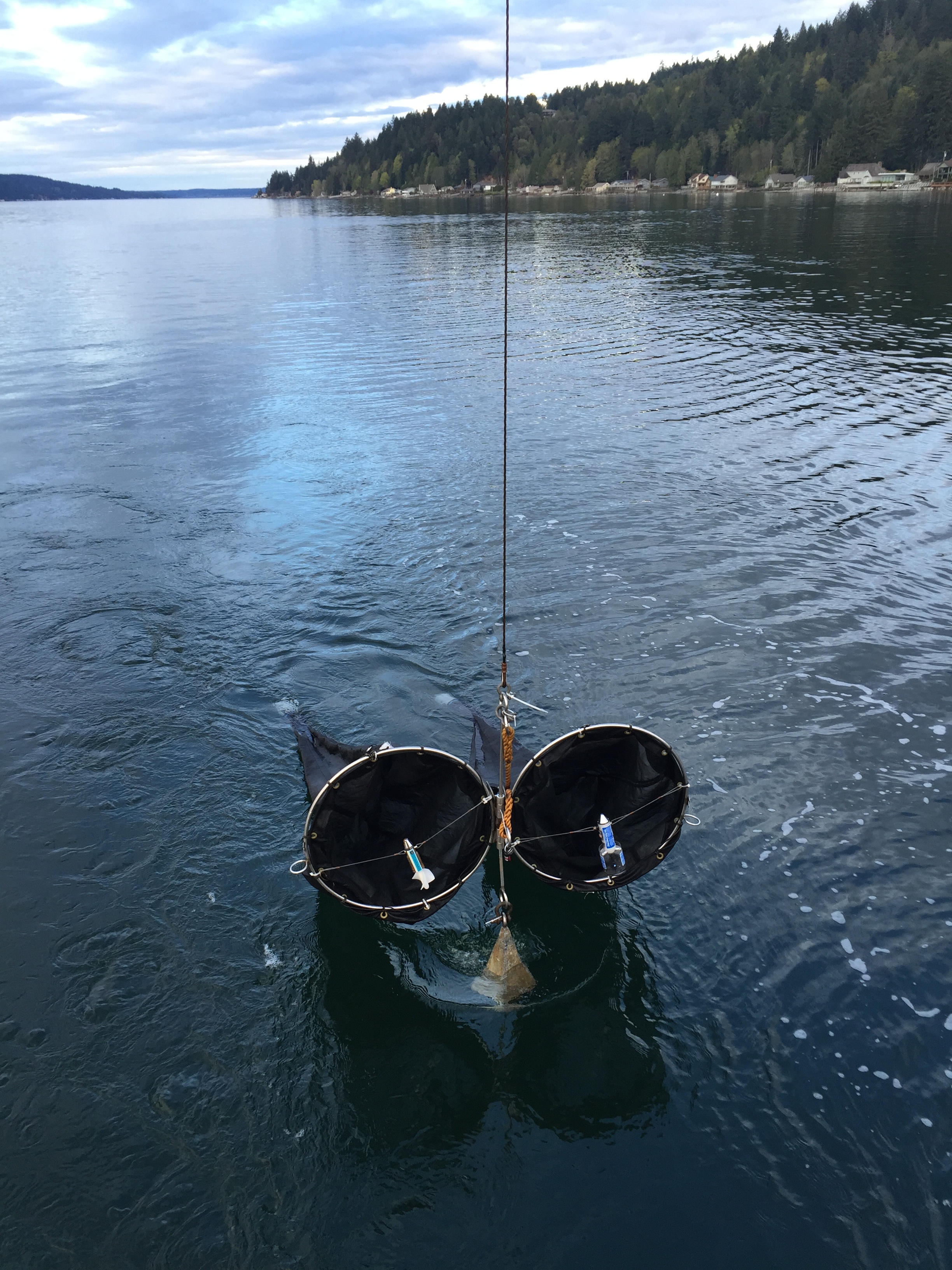
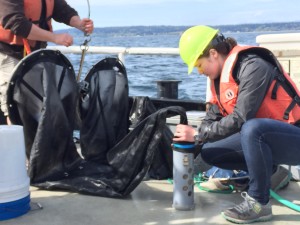
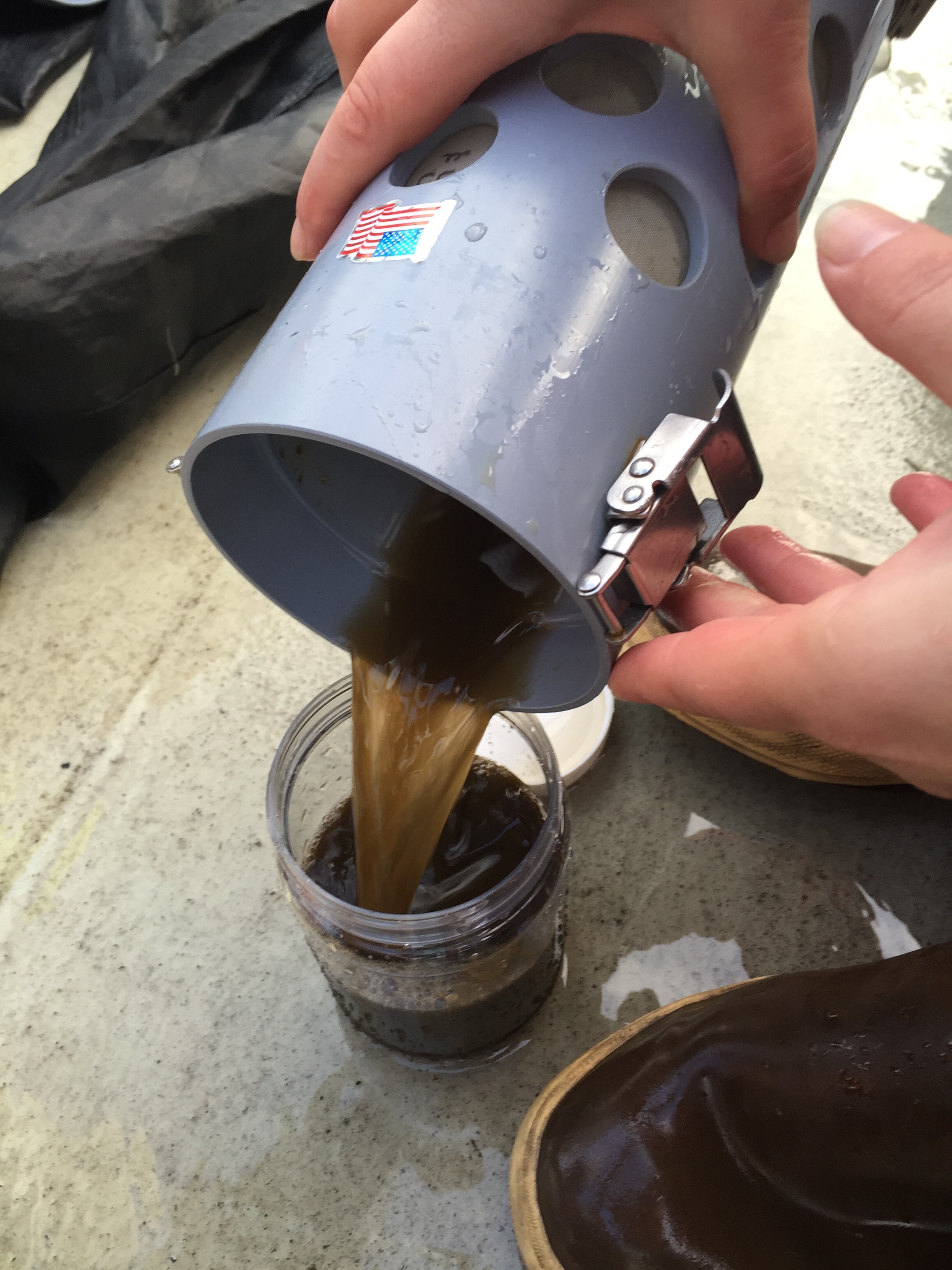
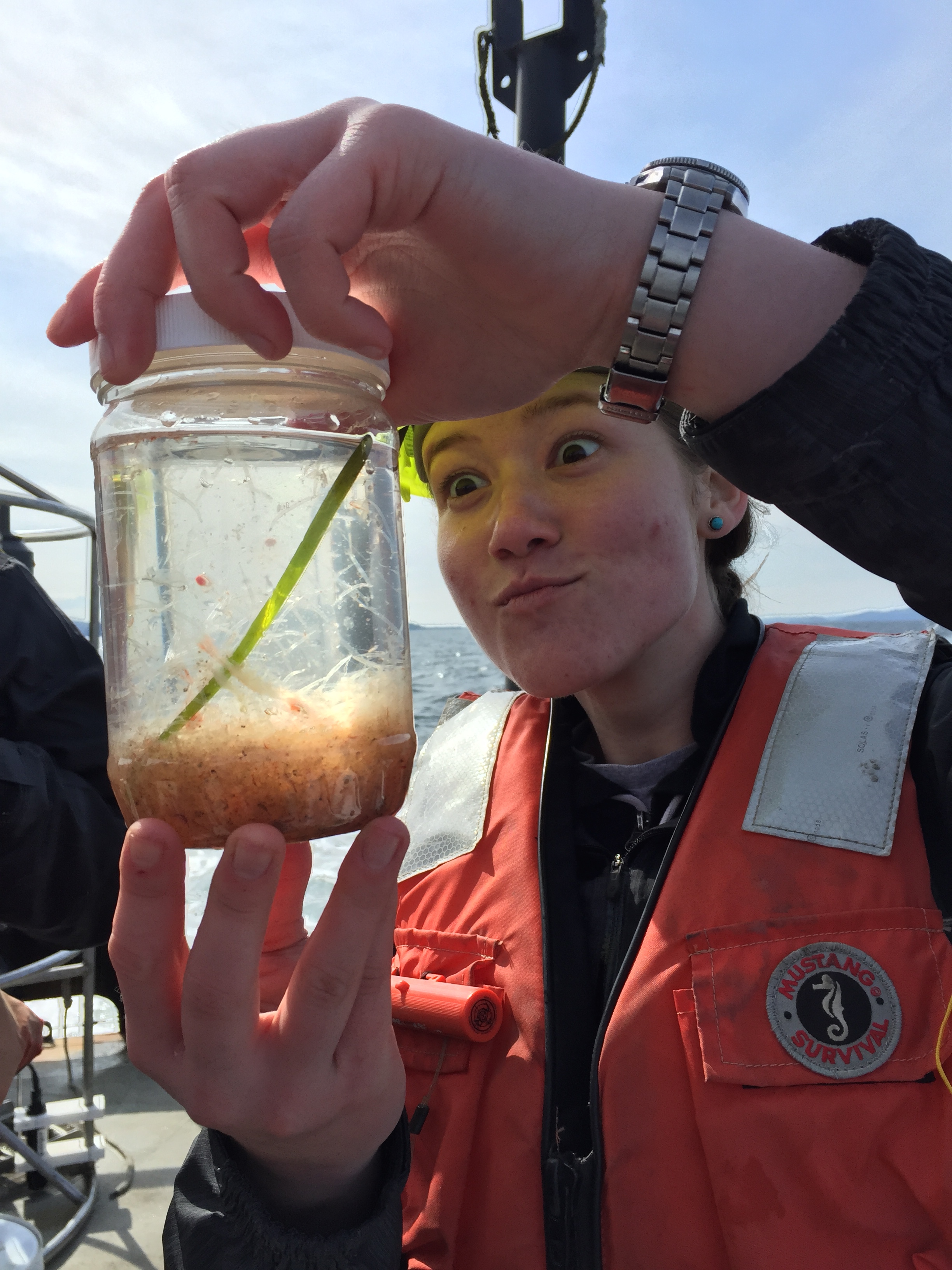
Plankton net tows give back valuable information about the biological community of zooplankton. One species of particular interest are the pteropods, endearingly known as sea butterflies who’s shells are visibly suffering from increasing CO2 conditions:
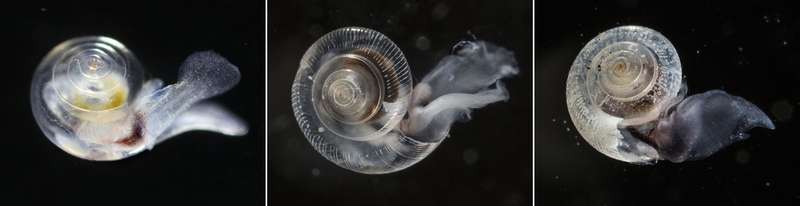
The smooth shell of a healthy pteropod is seen at left. The pteropod in the center was exposed to elevated CO2 conditions in a laboratory, to mimic conditions researchers saw in the wild. And at right, a shell with holes and pits, also produced by laboratory conditions, corresponds to some of the most extreme damage scientists expect to see with elevated CO2. From The Seattle Times SEA CHANGE stories.
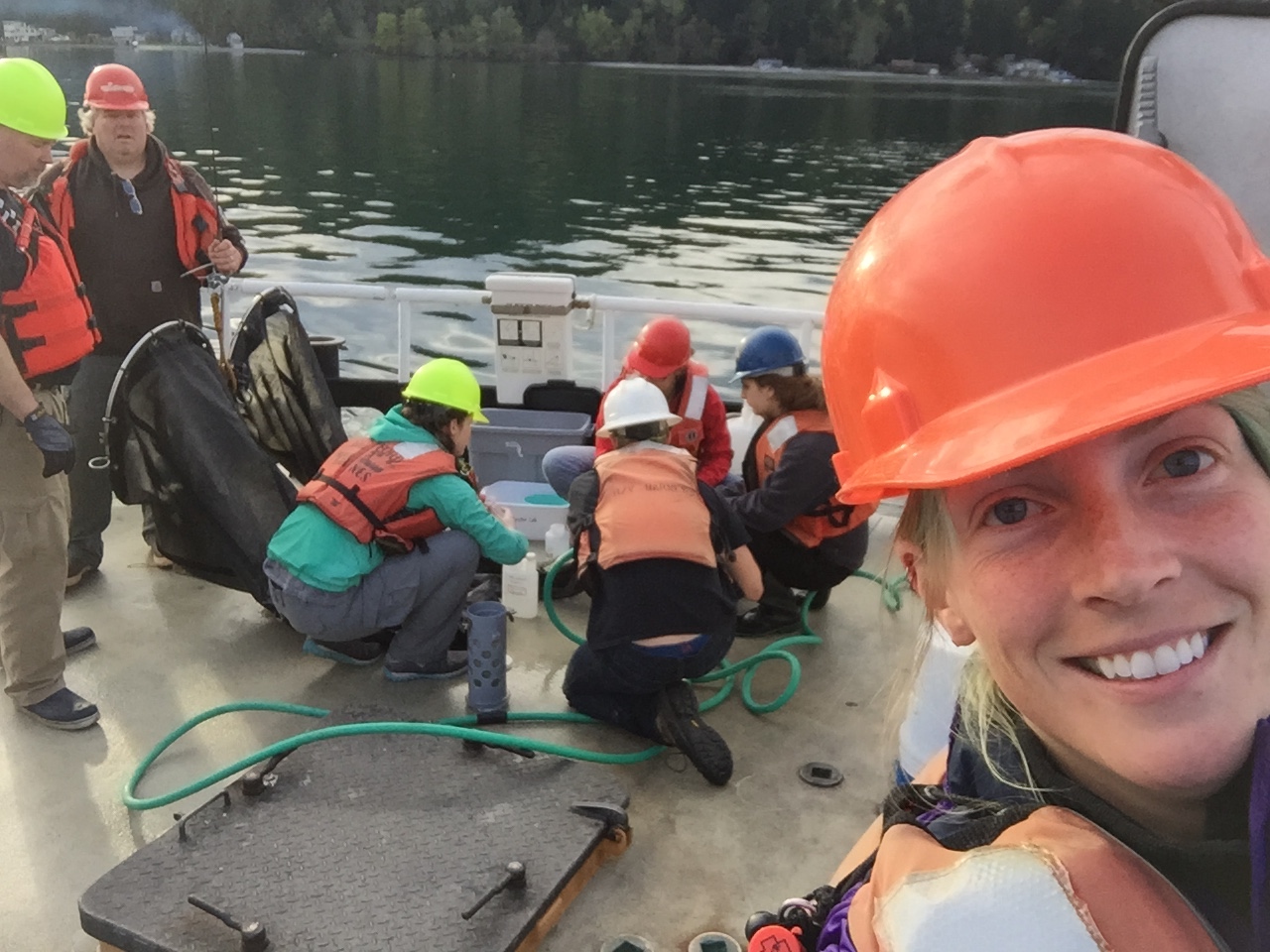
I am a research technician on this ship representing my Principal Investigator, Monica Orellana, with the Institute for Systems Biology. A portion of her research aims to understand ocean acidification effects on the phytoplankton community at a genetic level using next-generation sequencing tools. When I am not collecting my own samples, I help out collecting samples for the head technician, Rachel Vander Giessen.
Feature Woman – Physicist/Oceanographer Rachel Vander Giessen
On this cruise I would like to highlight the lady in charge: Rachel Vander Giessen. She is the technician for the head scientist, Jan Newton, and was on the ship running the science show. She has a bachelor’s degree in physics, spent time on chartered yachts as a naturalist, wanted to become a captain through the Maritime Academy, was a bartender and a barista, and is now a research technician in oceanography. She is the epitome of someone who is highly involved and doing cool shit without having a PhD. You have to read more about her in her interview (link coming soon).
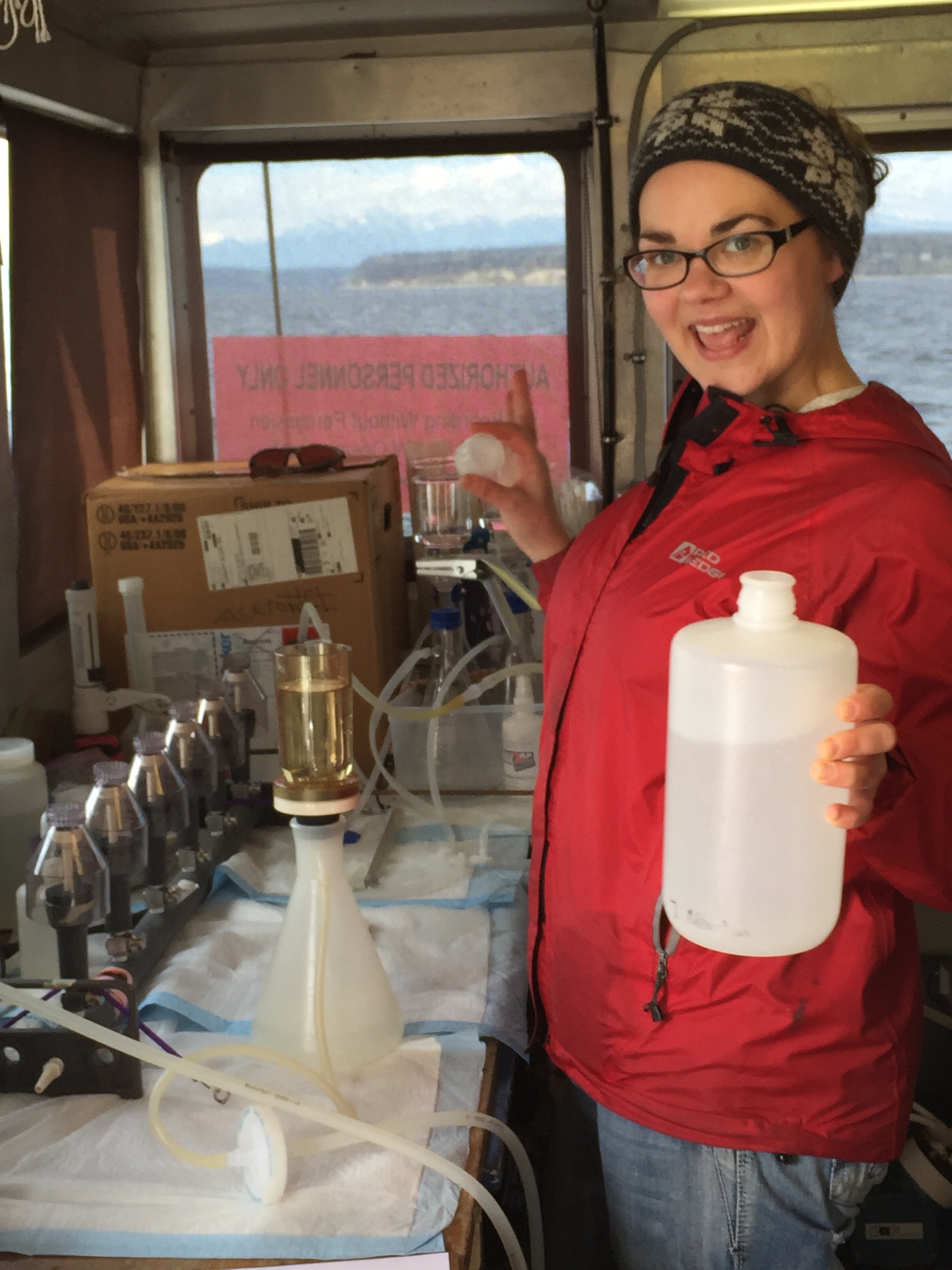
Want more photos of the trip aboard the R/V Clifford A Barnes?
Click here for Spring 2015 and here for Fall 2015.
Want to know even more about Ocean Acidification? Click any of the easy-follow links listed on WOAC’s site:
20 Facts About Ocean Acidification (updated November 2013)
Ocean Acidification in the Pacific Northwest
Ocean Acidification Center Another Example of State Leading the Nation
Blue Ribbon Panel on Ocean Acidification
Share this:
 by
by
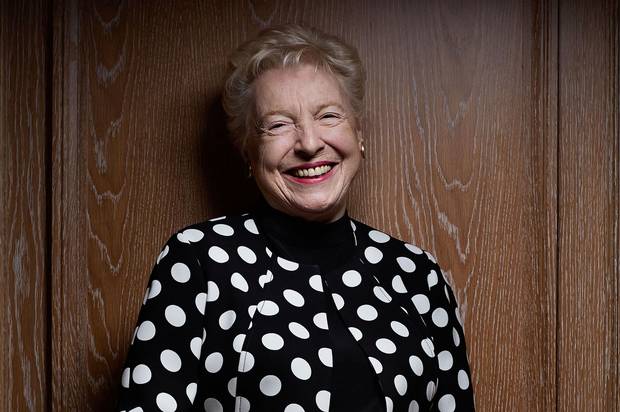
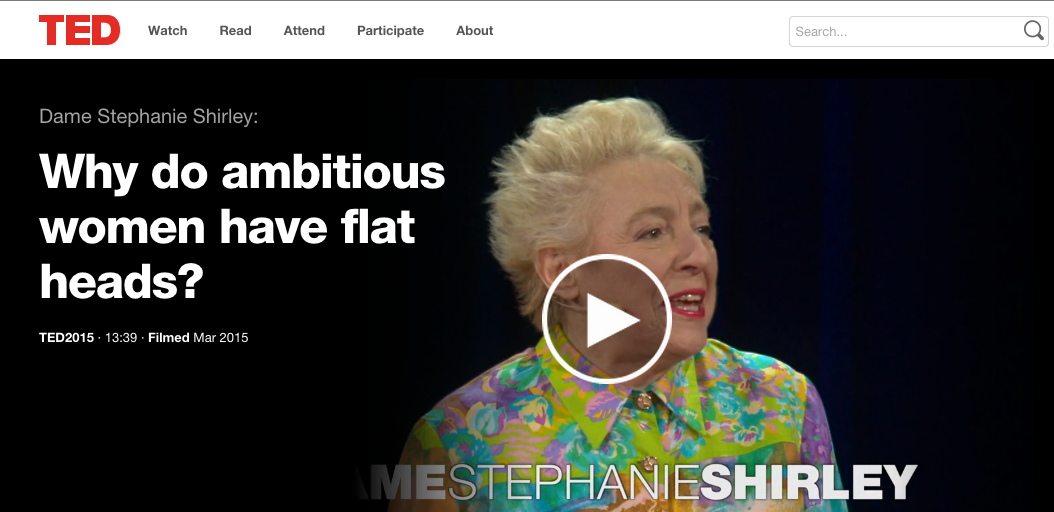
Eighty year old Stephanie Shirley’s story is incredibly inspirational to women who want to make change in the world.
You may wonder why I think a TED talk about successful entrepreneurial business women would be within the scope of the WOMAN SCIENTIST site; I use a lot of examples of business entrepreneurs because I think the same strategy and passion they’ve found can absolutely apply to careers in the scientific world. I’m trying to encourage you ladies to be creative about how you weave your passion for science into a career. There are sooooo many alternative choices we don’t hear about in college. Hopefully this video will tune you in to your gut and inspire you to make something for yourself. Thats what it did for me.
Without further adieu, please take 14 minutes to watch this sassy straightforward woman talk.
Dame Stephanie Shirley is the most successful tech entrepreneur you never heard of. In the 1960s, she founded a pioneering all-woman software company in the UK, which was ultimately valued at $3 billion, making millionaires of 70 of her team members. In this frank and often hilarious talk, she explains why she went by “Steve,” how she upended the expectations of the time, and shares some sure-fire ways to identify ambitious women …
She challenged so many conventions of her time even to the point of changing her name to Steve just to get through the door before anyone realized “he” was a “she”!
Stephanie believes that young women of today have “got it dead easy” compared with those of her own generation. Women have nothing to complain about, as all the legal obstacles holding them back have been removed; it is their own reluctance to fight in the workplace that is the real problem.
My favorite part is at 8:12
“When I started my company of women, the men sort of said, ‘How interesting, because it only works because it’s small.’
And later, as it became sizable they sort of accepted, ‘Yes it is sizable now, but of no strategic interest.’
And later, when it was a company valued at over $3 billion and I’ve made 70 of the staff into millionaires they sort of said, ‘Well done, Steve.'”
“If it were easy to be successful, we all would be.”
“It’s one thing to have an idea for an enterprise, but as many people in this room will know, making it happen is a very difficult thing and it demands extraordinary energy, self belief and determination. The courage to risk family and home. And a 24/7 commitment that borders on the obsessive.”
What do you envision for your career in science? What do you spend your time doing? What key elements of your being does it include? Really listen to yourself. Write it down! Keep it folded in your pocket. Refer to it often. Change it up! It exists for you. Make it happen. If you keep this bigger vision in mind of what you want to accomplish then it will be easier to understand how different opportunities will help build your tool set and keep you on course.
And for gosh sakes if anyone tells you you can’t do what you are thinking of doing just give ’em the finger and keep going!
My family loves birds.
More follow up reading here at ‘Success has a cost. Women today are so naive’
Visit her home site here.
Read more about her struggles with raising an autistic son and the charitable trust fund,The Shirley Foundation, she started because of it here.
To the outside world, my life was to be hugely envied, and I was an unmitigated success. Those who knew me, however, would not have swapped places with me for the world.
Needless to say, I would have traded all the wealth and professional accolades for Giles to have been an ordinary child, with a happy, uncomplicated existence.
 by
by
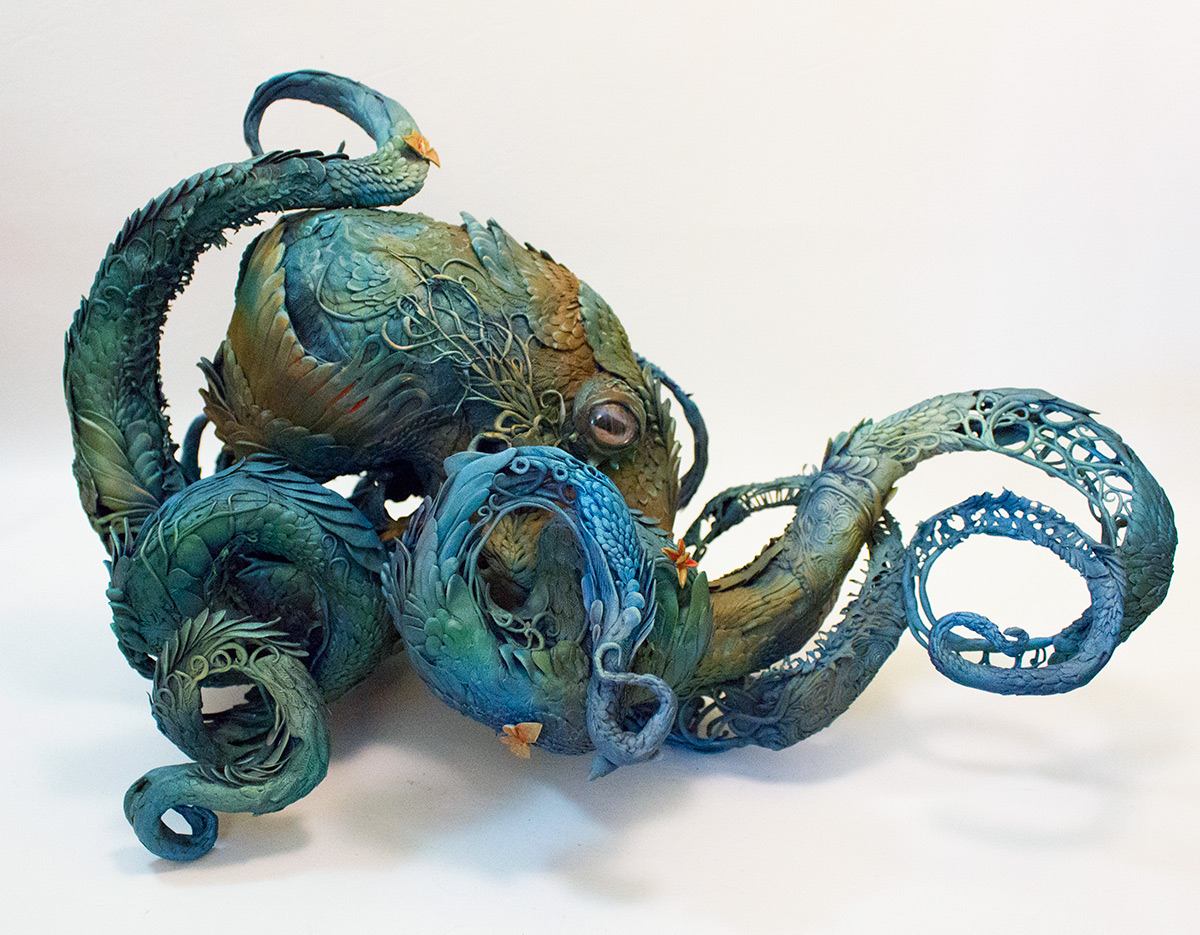
Ellen has experience in anthropology, medical illustration, exotic animal care and stop motion animation and entrepreneurial endeavors. She has found what seems to be a lucrative way to weave her art with her academic biological interests….synthetic taxidermy!
Talk about blending your diverse interests; Check out Ellen Jewett‘s work!
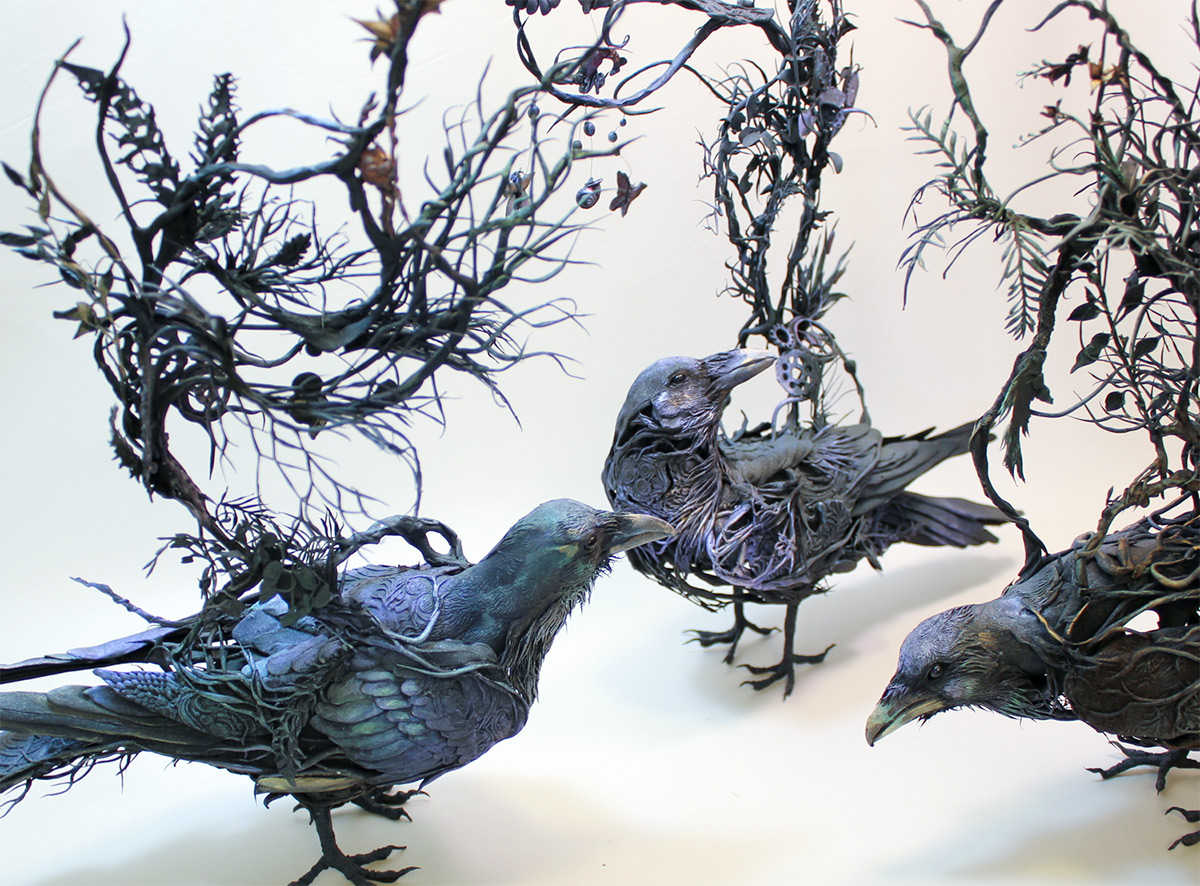
“Over time I find my sculptures are evolving to be of greater emotional presence by using less physical substance: I subtract more and more to increase the negative space. The element of weight, which has always seemed so fundamentally tied to the medium of sculpture, is stripped away and the laws of gravity are no longer in full effect.”
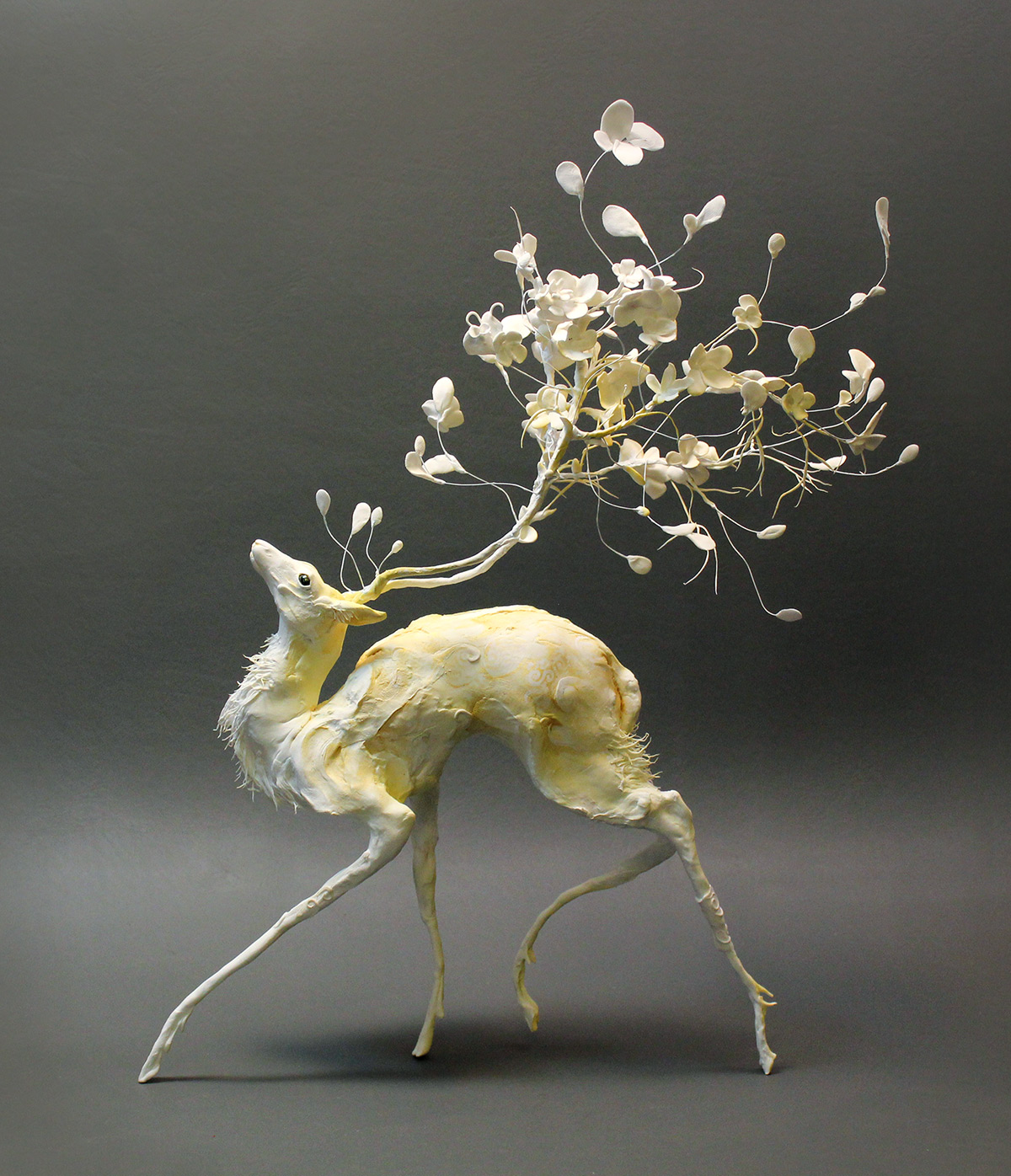
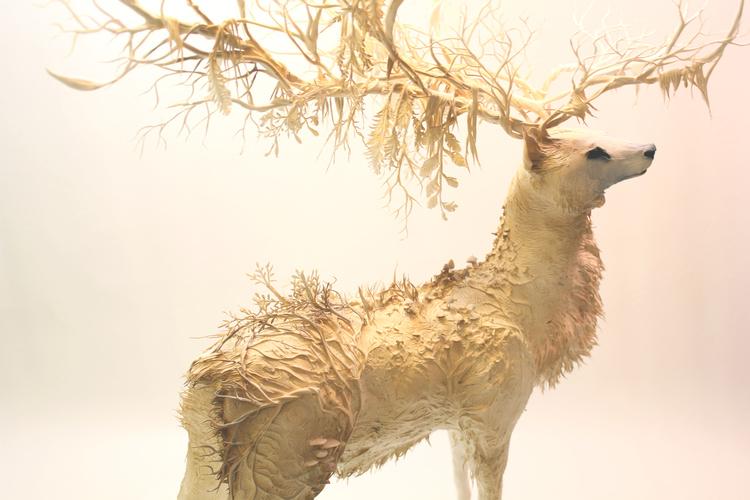
Her sculptures are dreamlike. She states that the unconventional look and feel of her work is a phenomena arising from the desire to avoid using toxic materials which are the most commonly available to artists. She is conscious to “source the natural, the local, the low impact and, always, the authentic.”
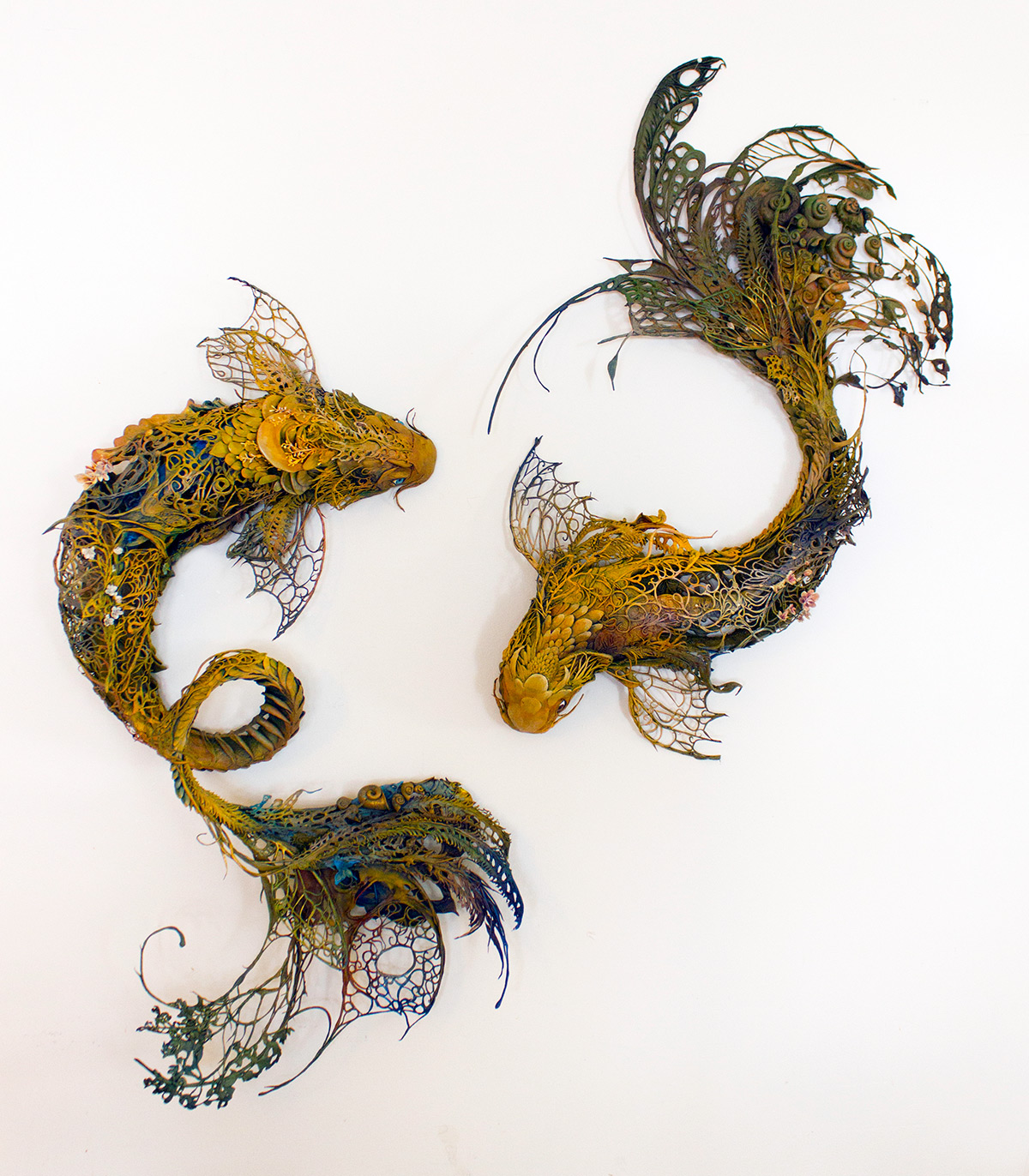
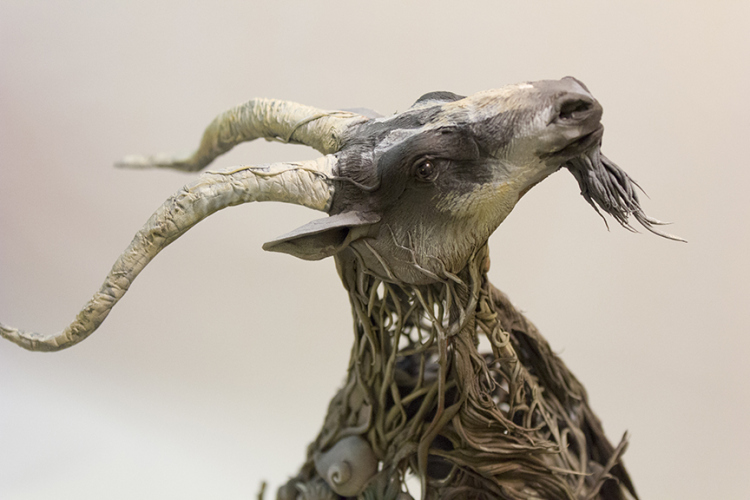
How does she do it?!
“Each sculpture is handmade and painted with no more tools than fingers and a paint brush. By virtue of this primal process, each creation is completely unique and produced in a fluid and intuitive manner. The process begins with a handmade metal armature over which light weight clay is sculpted. The painting is executed with acrylic, mineral and oil pigments and the embedded eyes are glass. When complete the whole piece is glazed to intensify colour and strength. With inspiration derived from animal physiology and a love of the fantastic, grotesque and absurd, each sculpture is unique and personable. The detailed craftsmanship is rich and thoughtful and never cast molded or replicated.”
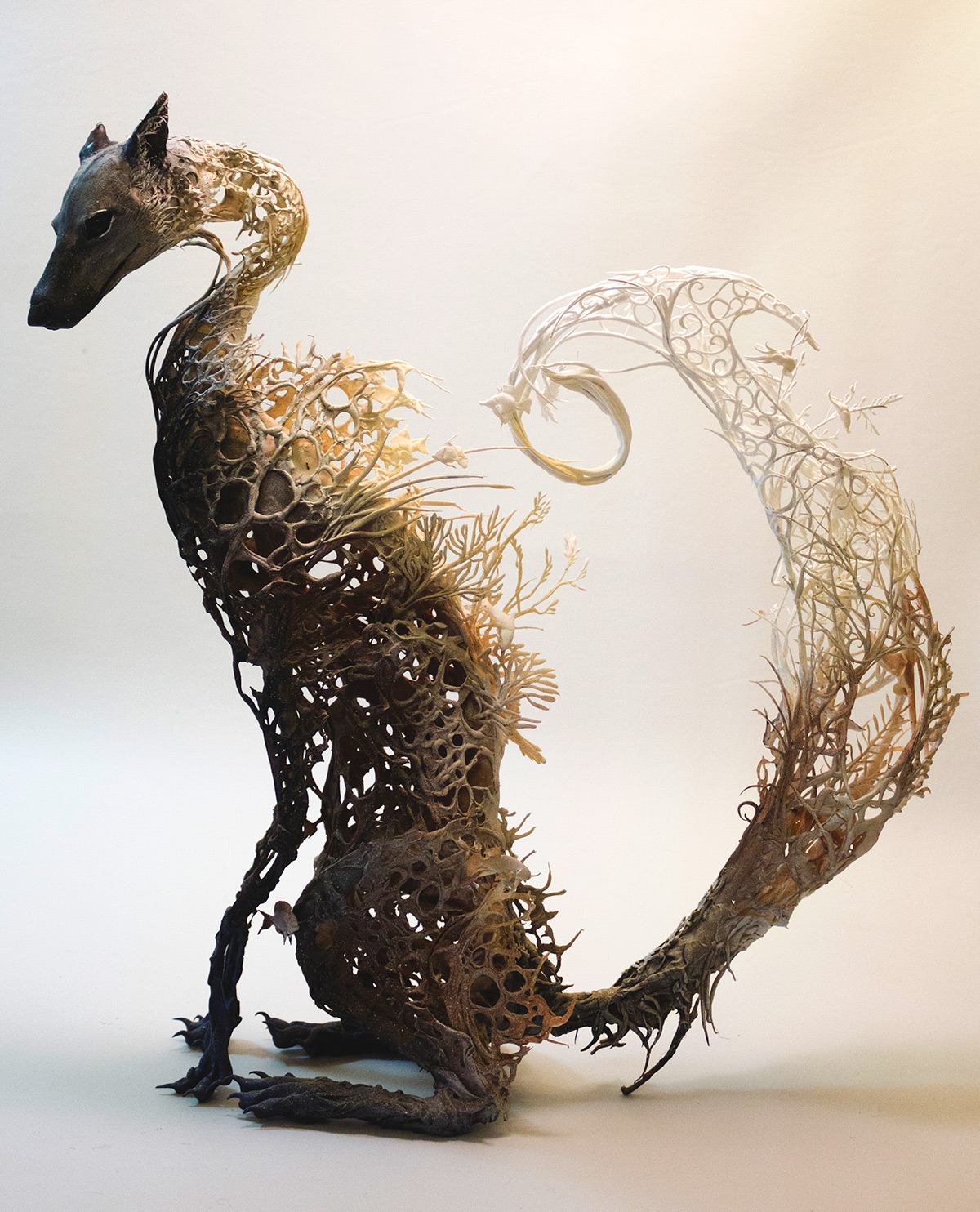
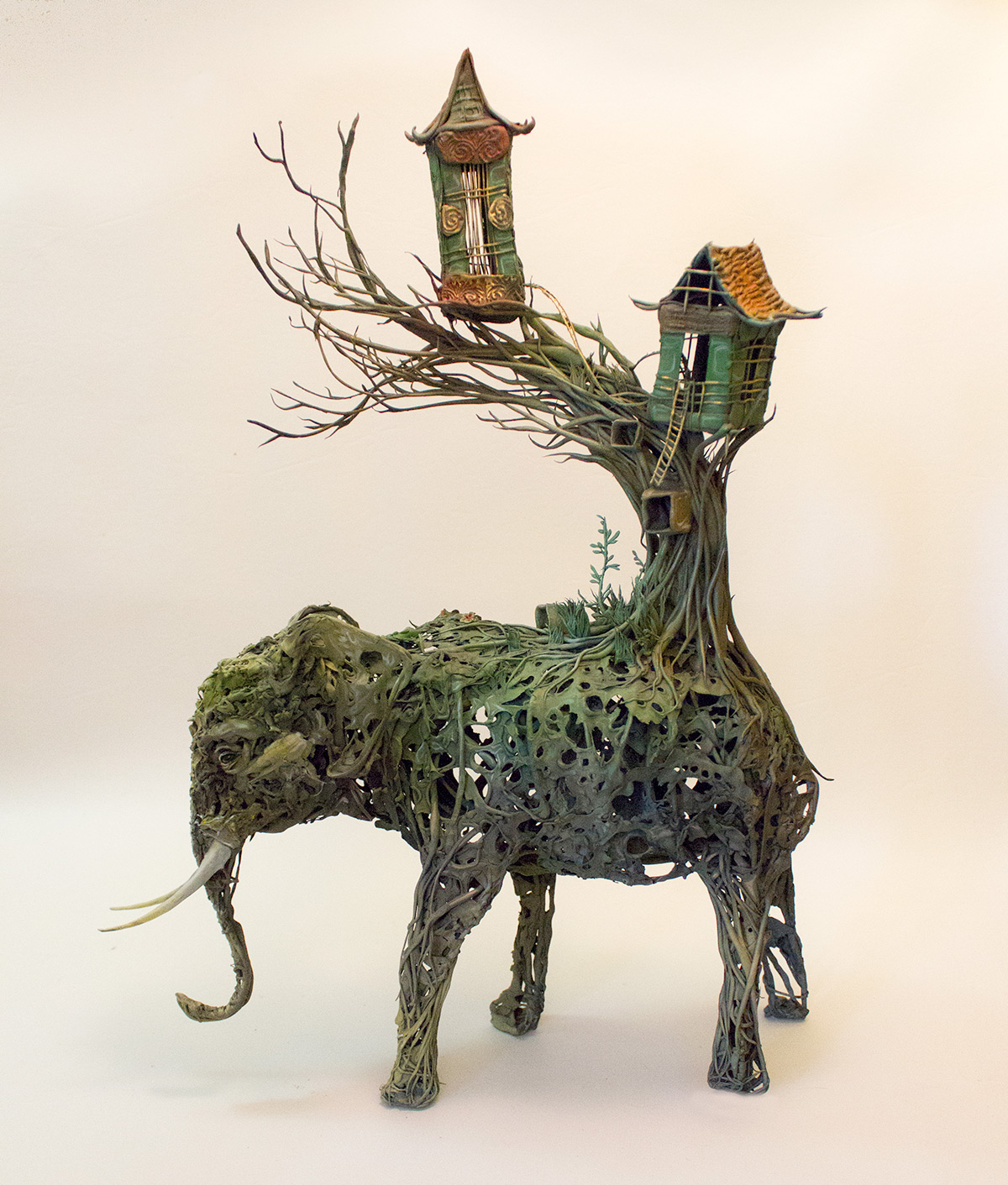
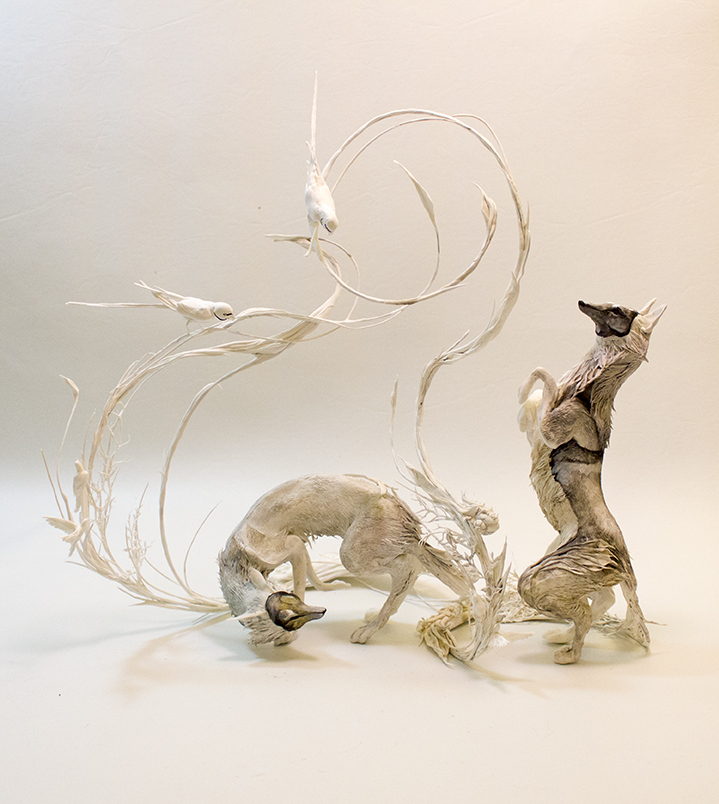
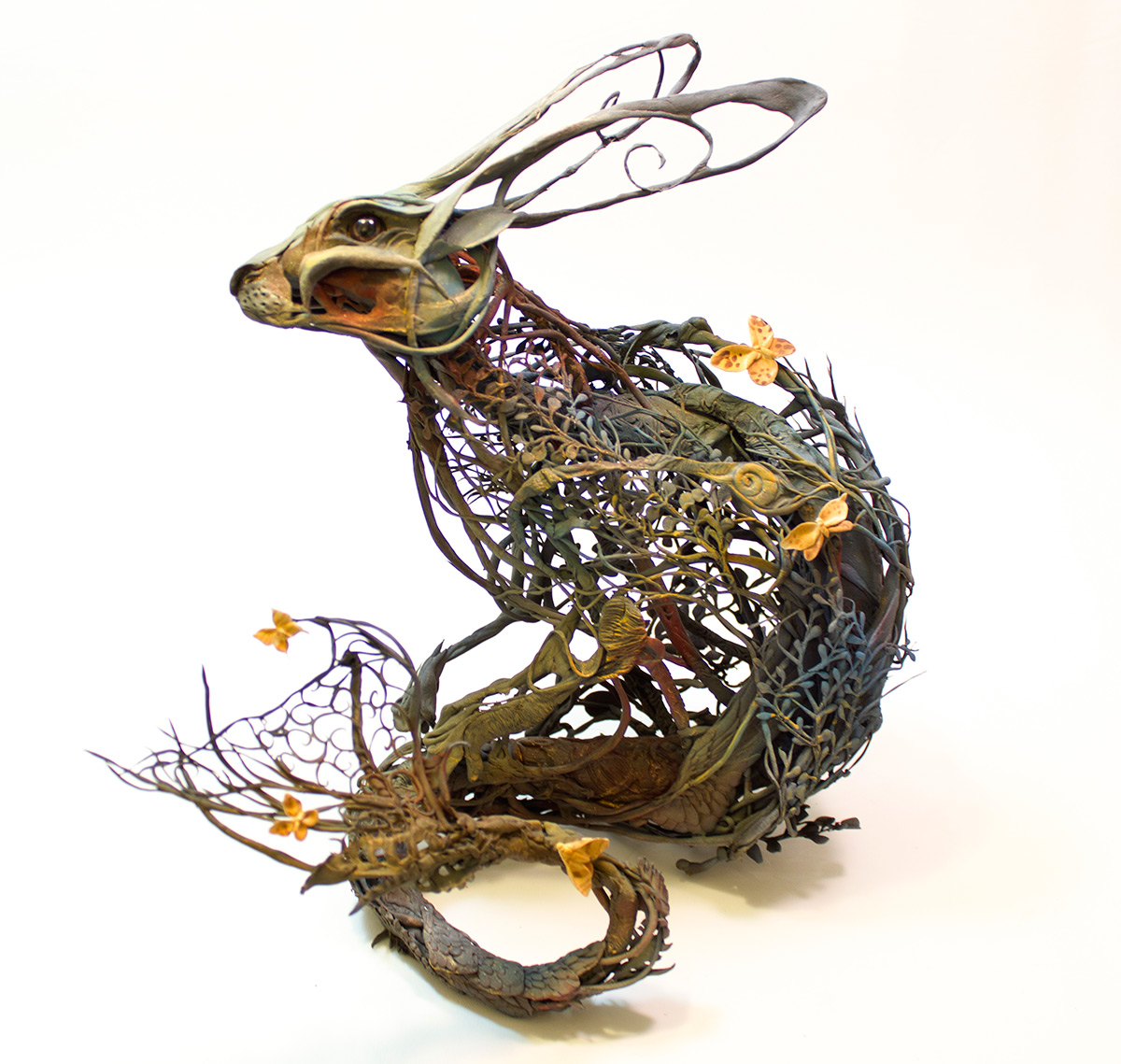
You HAVE to check out her site to read more. Perhaps I’ll also pick her brain and interview her on blending art and science for this site!!
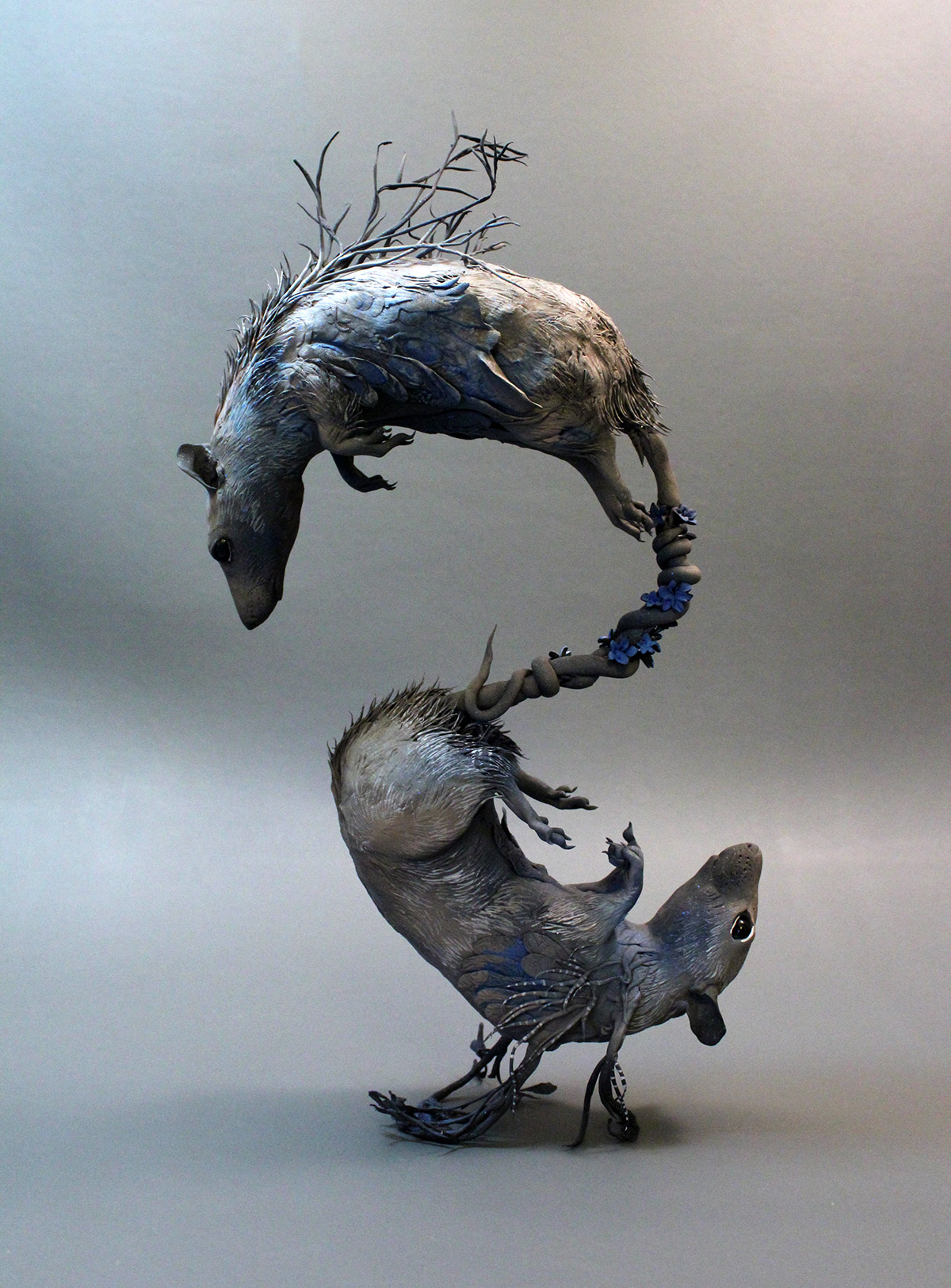
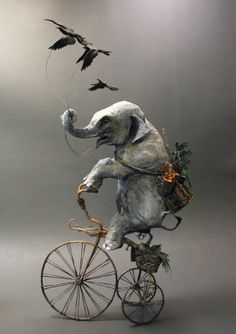
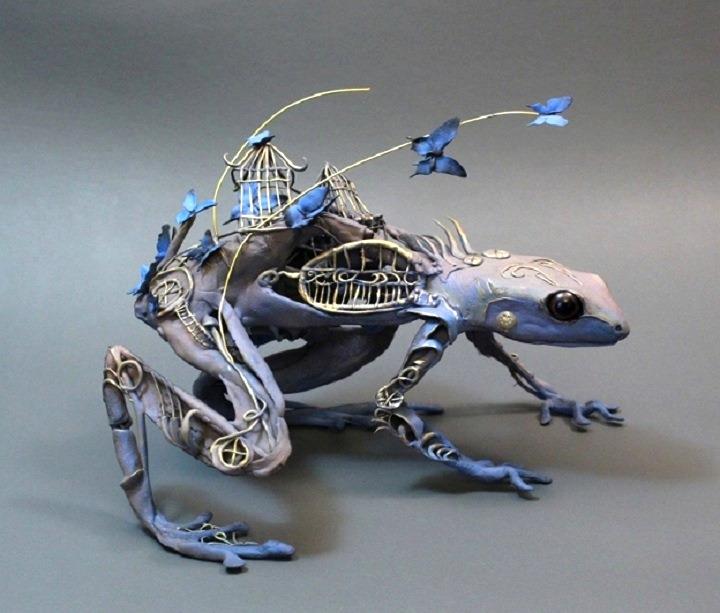
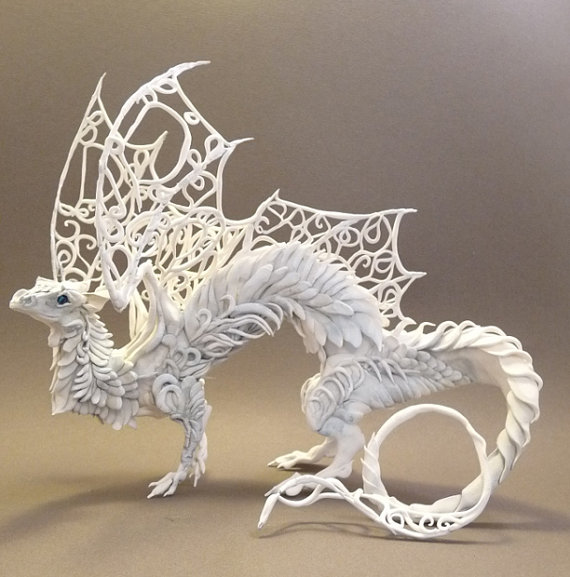
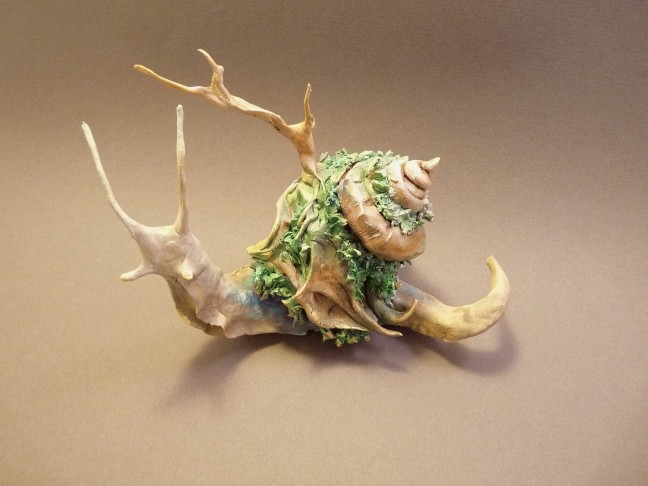
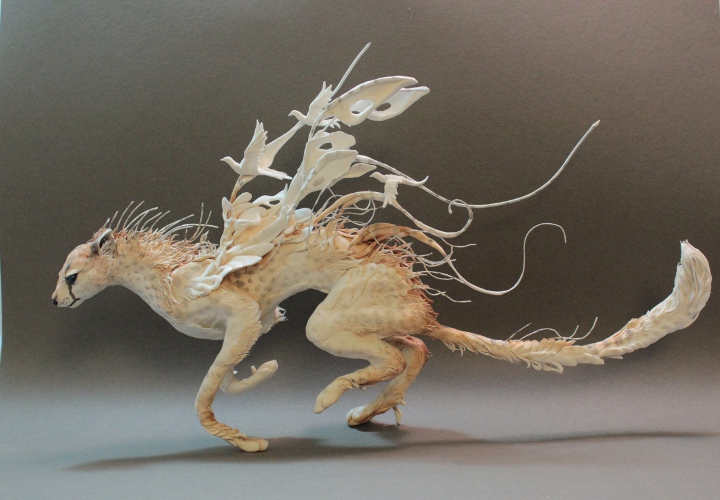
all images via Ellen.
I found some of her older work shown on Visual News here and Laughing Squid here.
Other Talented Science Artists I know:
Nina Arens – blending art, science, and museums
Allison Kudla – blending art, science and technology
Ellen Jewett – blending sculpture, art, science and animal physiology
Arie van ‘t Riet – blending nature with X-Rays
Share this: by
by


© 2026 woman scientist
Theme by Anders Noren — Up ↑





Recent Comments